Trust Roofing Services
Chimney Cowl & Bird Guard Installation
FREE Drone Survey
Free Quote
BBA-Approved Materials. 10-Year Guarantee.
Call: 0115-647-3275
Chimney Cowl & Bird Guard Fitting Nottingham — Stop Smoke, Birds, and Rain Damage Before They Cost You More
Trust Roofing Services fits chimney cowls and bird guards across Nottingham and Nottinghamshire. We cover active chimneys — open fires and wood-burning stoves — and disused pots that have been left open and uncapped.
The most common calls we get from Nottingham homeowners are: smoke blowing back into a living room, a sooty mess in a fireplace after jackdaws have nested, and a damp patch on a chimney breast caused by rain getting straight down an open pot. A correctly fitted cowl or bird guard resolves all three.
This page covers everything you need to know: what we fit, which type of cowl or guard suits your chimney, what common search terms lead people to this service, and why your pot and flaunching must be inspected before anything goes on top of it. If you are ready to book, call us now on 0115-647-3275. We offer a free no-obligation quote on every job across Nottinghamshire.
What Is a Chimney Cowl and Do You Actually Need One?
A chimney cowl is a metal cover fitted to the top of a chimney pot or flue terminal. It serves one or more of the following functions: redirecting wind to prevent smoke blowing back into your home, stopping rain from entering the flue, keeping birds and debris out, and improving the draw of your fire or stove. Chimney cowl fitting in Nottingham is one of the most requested chimney services we carry out, particularly on the city's large stock of pre-1940 terraced and semi-detached homes.
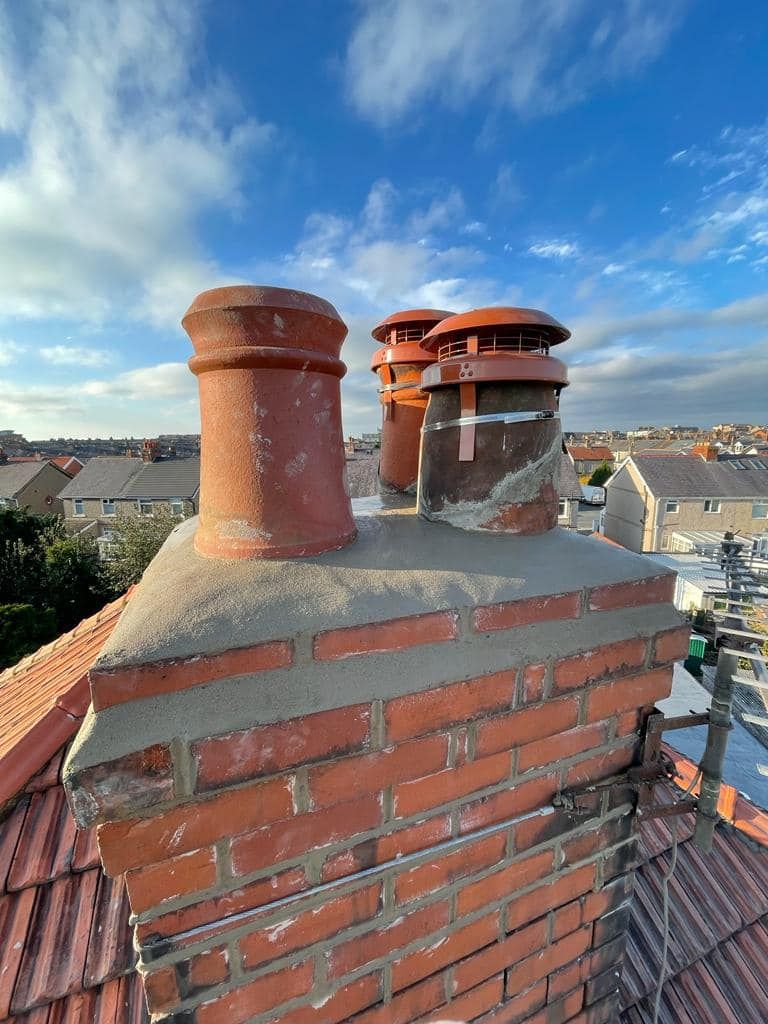
A bird guard — sometimes called a chimney bird cage, flue guard, or chimney mesh — is a stainless steel mesh cage that clips over the chimney pot. It stops jackdaws, starlings, and pigeons from entering or nesting in the flue while still allowing smoke and gases to escape freely.
The two products serve different jobs. Many Nottingham chimneys need both — or a combined unit that does the work of each in a single fitting.
Cowls and Bird Guards Serve Different Jobs — and the Wrong Choice Can Create a Safety Risk
Whether your chimney needs a cowl, a bird guard, or a combined anti-downdraught bird guard cowl depends on the specific problem and whether the flue is still in use. Here is a quick guide:
- Smoke blowing back into the room → anti-downdraught chimney cowl
- Birds nesting or debris falling into the fireplace → stainless steel chimney bird guard
- Damp patches on the chimney breast after rain → rain cap cowl or combined cowl with rain cover
- Sooty smell from a chimney not in regular use → ventilated capping cowl that allows trickle airflow
- Chimney no longer in use at all → vented pot cap to stop rain and birds while maintaining airflow
- All of the above → combined anti-downdraught bird guard cowl suited to your fuel type
In Nottingham, a high proportion of the housing stock is Victorian and Edwardian terraced or semi-detached — particularly across areas like Sherwood, Mapperley, Carlton, and Hyson Green. Many of these properties have two or three chimney pots on a shared stack. Each pot serving a different flue type may need a different product. We assess every pot on the stack during the visit before recommending anything.
Smoke Blowing Back Into the Room — Understanding Chimney Downdraught and How to Fix It
Smoke coming back into a room when a fire or stove is in use is called chimney downdraught. Wind hits the stack from one direction and pushes flue gases back down instead of letting them draw upward. It is more common on properties in elevated positions — homes across Carlton Hill, Wollaton, and parts of Arnold are regularly affected — and on chimneys where the pot sits low relative to the surrounding roofline.
An anti-downdraught cowl uses the wind itself to create suction at the top of the flue. Rather than fighting the wind, the cowl's aerodynamic shape generates a low-pressure zone that pulls gases upward regardless of wind direction. Static anti-downdraught cowls are the most common choice and work well on the majority of Nottingham properties. Rotating spinner cowls — which turn with the wind to maximise draw — are an option for stacks in particularly exposed positions, though they have moving parts that require occasional inspection.
Before we fit any cowl for a downdraught problem, we check three things:
- Is the flue clear? A blocked or partially blocked flue produces identical symptoms to downdraught. Fitting a cowl on top of a blockage will not fix it and may make it worse.
- Is the pot at the right height? A pot sitting below the roof ridge by more than the correct ratio will downdraught on its own. Sometimes a chimney pot extension solves this without any cowl being needed.
- Has the flue been swept recently? A dirty flue draws badly. We recommend a professional chimney sweep before any cowl fitting on an active chimney.
We carry out all chimney cowl fitting in Nottingham using our own directly employed team — no subcontractors, ever. Every job comes with a free, itemised quote before any work starts.
Birds Nesting in Your Nottingham Chimney — A Legal Issue as Well as a Safety One
Jackdaws are the most common chimney pest across Nottinghamshire. They favour large, open chimney pots — exactly the type found on Victorian and Edwardian terraces across areas like Bulwell, Bestwood, and Arnold. A jackdaw nest is built from sticks, mud, and debris and can block a flue completely. Starlings and pigeons also enter chimneys regularly and cause blockages.
A blocked flue on an active fire or stove is a serious safety hazard. Combustion gases cannot escape. Carbon monoxide builds up inside the property. This is not a theoretical risk — it happens in UK homes every year.
There is also a legal dimension that many homeowners are unaware of. Under the Wildlife and Countryside Act 1981, an active bird nest cannot be removed or disturbed. If jackdaws or starlings have already nested when you call us, the nest cannot be cleared until the birds have fledged. Jackdaw nesting season in Nottinghamshire runs from April to July. Until the nest clears naturally, do not light a fire or use any appliance connected to that flue.
The solution is to book before the season starts. February and March are the right months to call. We fit the bird guard, the season begins, and your chimney is protected. Leave it until April and you may spend the entire summer waiting.
Here is exactly what we do on every bird guard fitting:
- Inspect the pot condition and flaunching mortar
- Check whether the flue is clear — if not, we advise a professional sweep first
- Select the correct mesh aperture and fixing type for the pot diameter and fuel type
- Fit a stainless steel bird guard, secured so it cannot be dislodged by wind or nesting activity
- Photograph the completed installation — you get a visual record of the work done
Stainless steel is the correct material for bird guards on active solid fuel chimneys. It handles thermal cycling, resists corrosion through Nottinghamshire's wet winters, and outlasts galvanised or powder-coated alternatives on working flues by a considerable margin.
Chimney Cowl Types Explained — Which One Is Right for Your Property?
One of the most searched questions about this service is "what type of chimney cowl do I need?" Here is a plain-language breakdown:
Anti-Downdraught Cowls
Best for: Chimneys where smoke blows back into the room on windy days. The cowl's shape redirects wind and creates suction that draws flue gases upward. Suitable for solid fuel, wood-burning stoves, and open fires. Must be rated for the fuel type.
Rain Cap Cowls
Best for: Chimneys — active or disused — where rain is getting into the flue and causing damp. Covers the pot opening with a raised cap while still allowing ventilation. Often combined with a bird guard mesh in a single unit.
Stainless Steel Bird Guard Cowls
Best for: Any chimney pot targeted by nesting birds. The mesh cage allows smoke and air through while physically blocking jackdaws, starlings, and pigeons. Must be sized correctly for the pot diameter and rated for the fuel type — a gas-rated version is required on flues serving gas fires.
Ventilated Capping Cowls — For Disused Chimneys
Best for: Chimney pots that are no longer connected to any fire or appliance. Seals the pot opening to stop rain and birds while leaving small ventilation slots that prevent moisture build-up inside the flue. Fully sealing a disused chimney without ventilation causes internal damp and structural damage over time.
Combined Anti-Downdraught Bird Guard Cowls
Best for: Chimneys with both downdraught and bird nesting problems. One product handles both issues. Particularly useful on exposed Nottinghamshire stacks that experience strong prevailing winds.
Spinning / Rotating Cowls
Best for: Severely exposed stacks where static cowls have failed to resolve persistent downdraught. The cowl rotates with wind direction to maximise draw. These have moving parts that require annual inspection to ensure they have not seized.
A Wrong-Sized or Wrong-Type Cowl Creates a Carbon Monoxide Risk — Correct Fitting Matters
A cowl that is the wrong size or wrong type for your appliance does not just fail to work — it can create a dangerous situation. A cowl that restricts the flue exit area reduces draw. Combustion gases that cannot escape efficiently spill back into the living space. On a gas appliance, that means a carbon monoxide risk. On a solid fuel stove, it means smoke in the room and accelerated creosote build-up inside the flue.
Gas appliances and solid fuel appliances need completely different cowl types. A standard bird guard is not rated for use with a gas fire. This is a compliance issue, not a preference. Any terminal fitted on a flue serving a gas appliance must be gas-rated and specified by a competent person. Solid fuel cowls must be heat-resistant and rated for the output of the stove or fire in use.
We see this mistake regularly on Nottingham properties: a standard bird guard bought online and fitted by a general handyman onto a pot serving a gas fire. The homeowner has no idea it is the wrong product until a problem develops.
For a cowl to be fitted correctly, it must:
- Match the internal and external diameter of the chimney pot
- Be rated for the fuel type and appliance in use
- Maintain the required free exit area — at least equal to the flue cross-section
- Be fixed securely so it cannot shift in high winds
On shared chimney stacks — common across Nottingham's semi-detached streets — fitting a cowl on one pot can alter draw pressure on the other pots connected to the same stack. We assess the full stack before any fitting, not just the single pot being worked on.
Our
free drone roof survey is available before any cowl fitting job in Nottingham. It gives us a detailed view of the pot, flaunching, and overall stack condition before a single ladder goes up.
Most Nottingham roofers do not offer this before a cowl fitting job.
Victorian and Edwardian Chimney Pots Across Nottingham — Why Inspection Comes First
This is the question almost no other Nottingham roofer asks before fitting a cowl: is the pot and the flaunching actually in good enough condition to hold it?
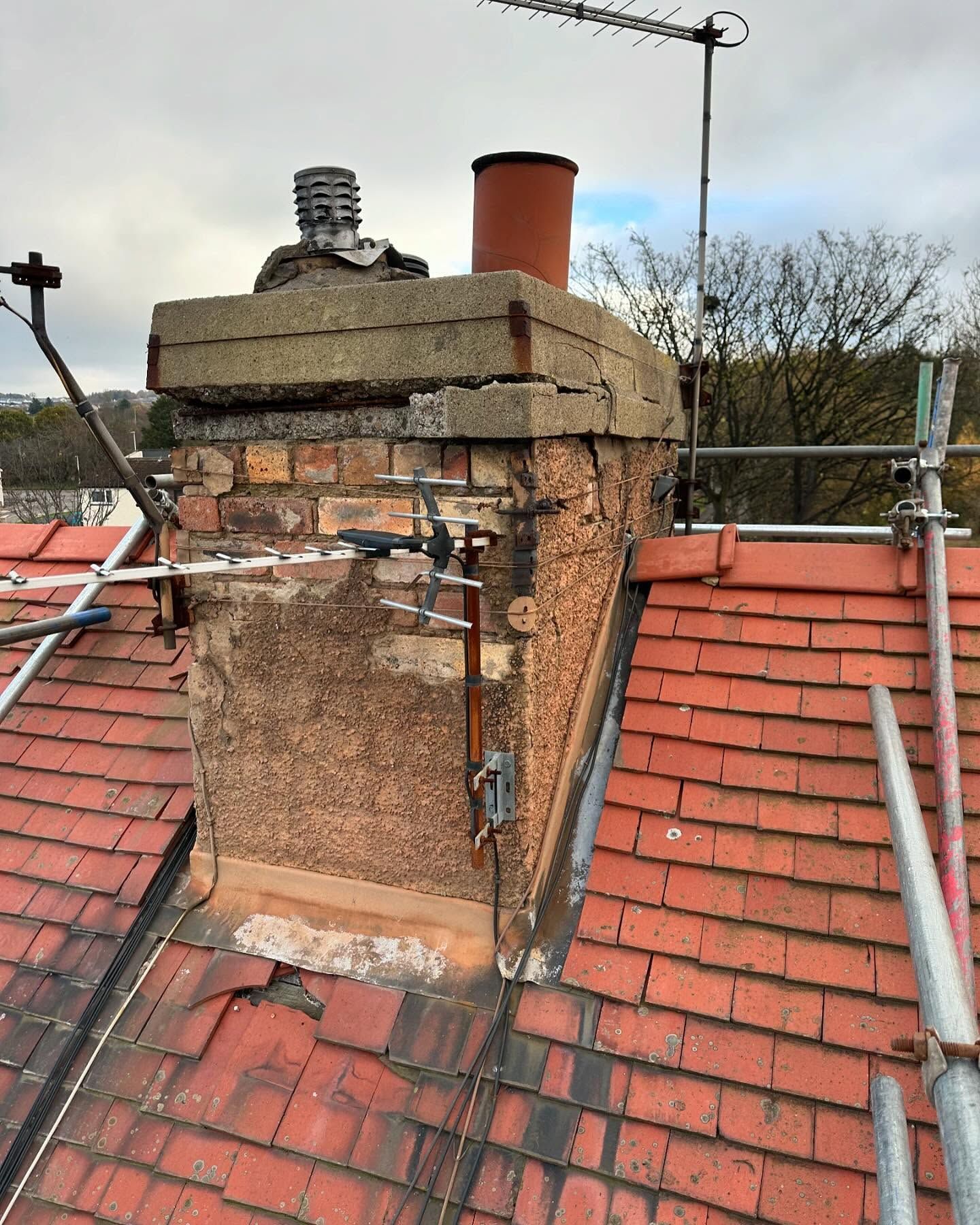
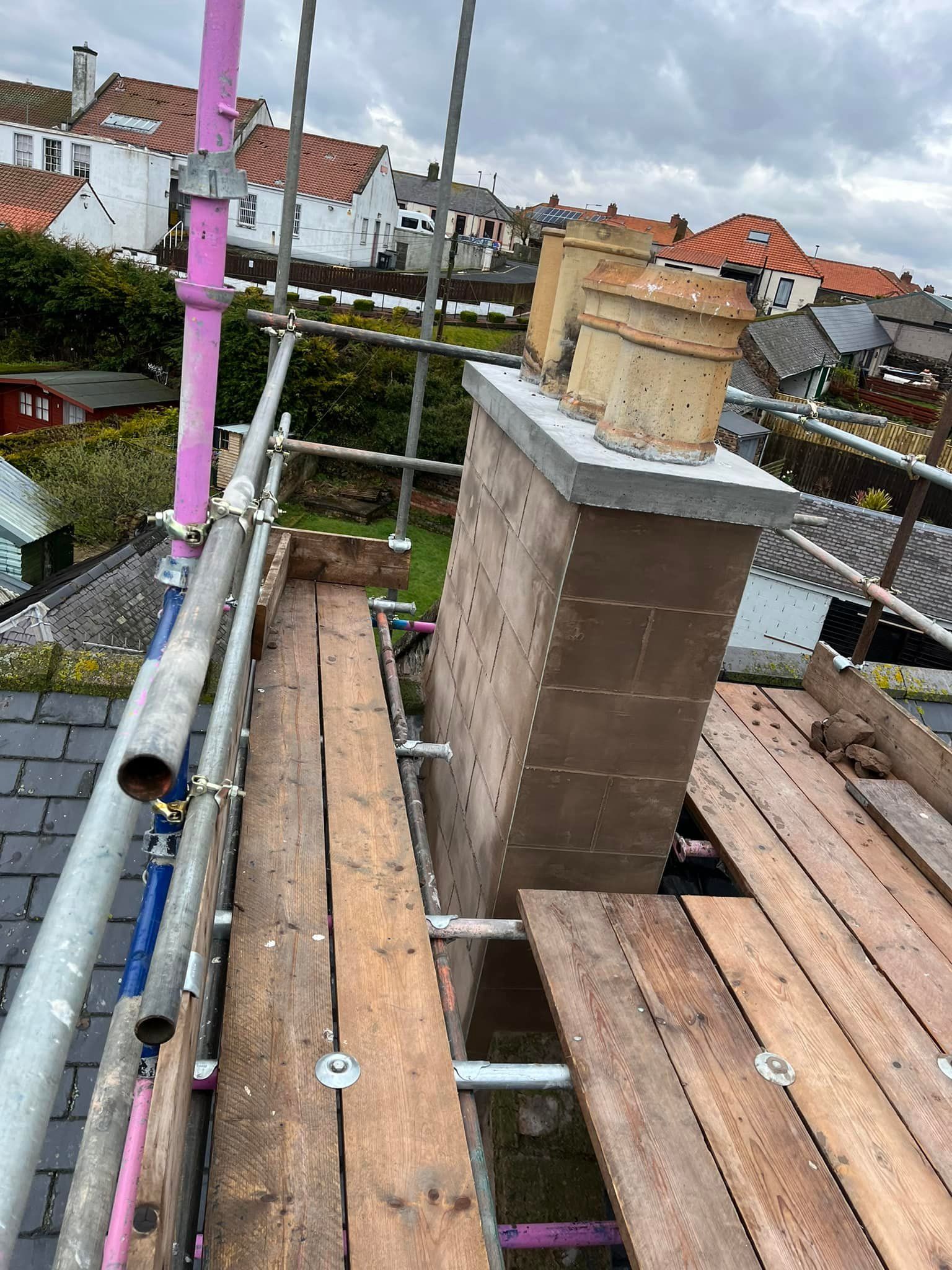
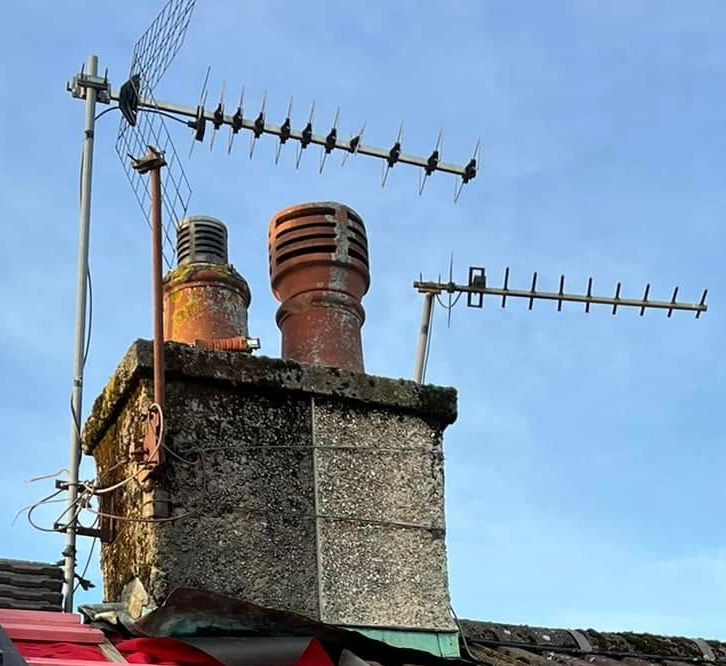
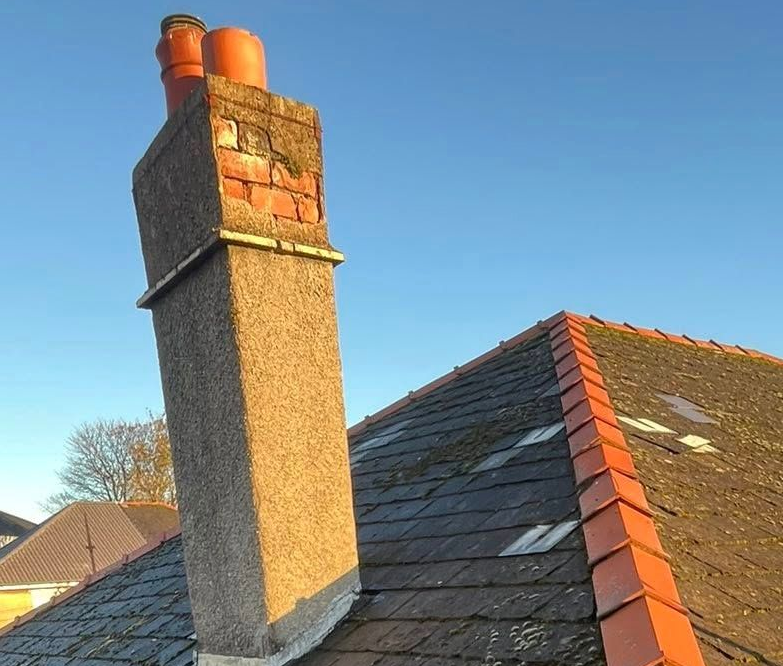
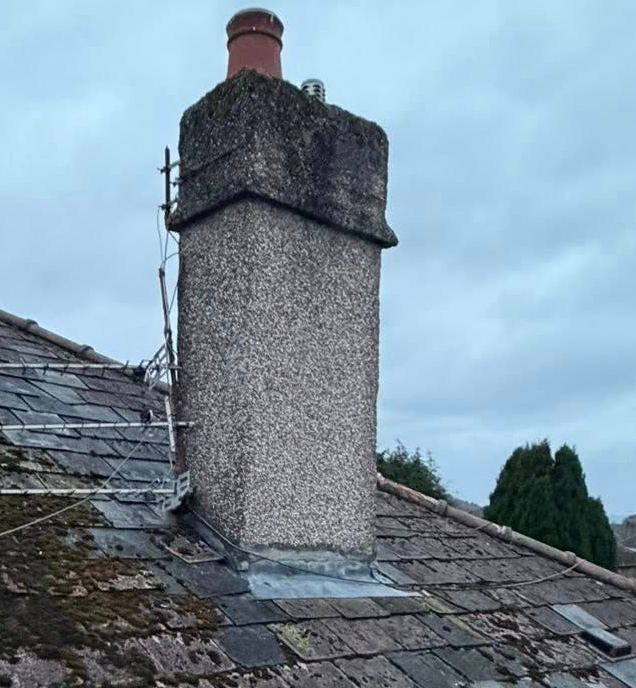
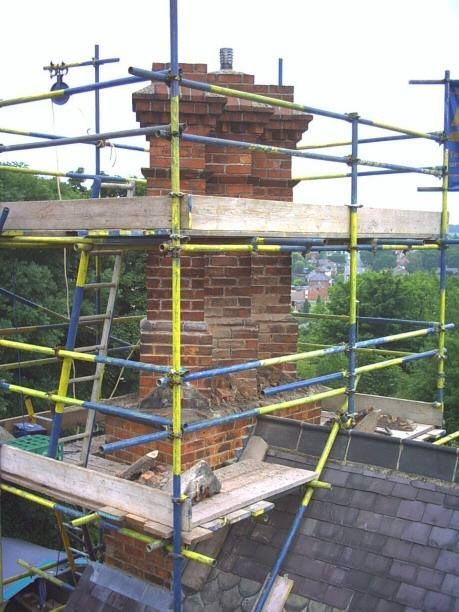
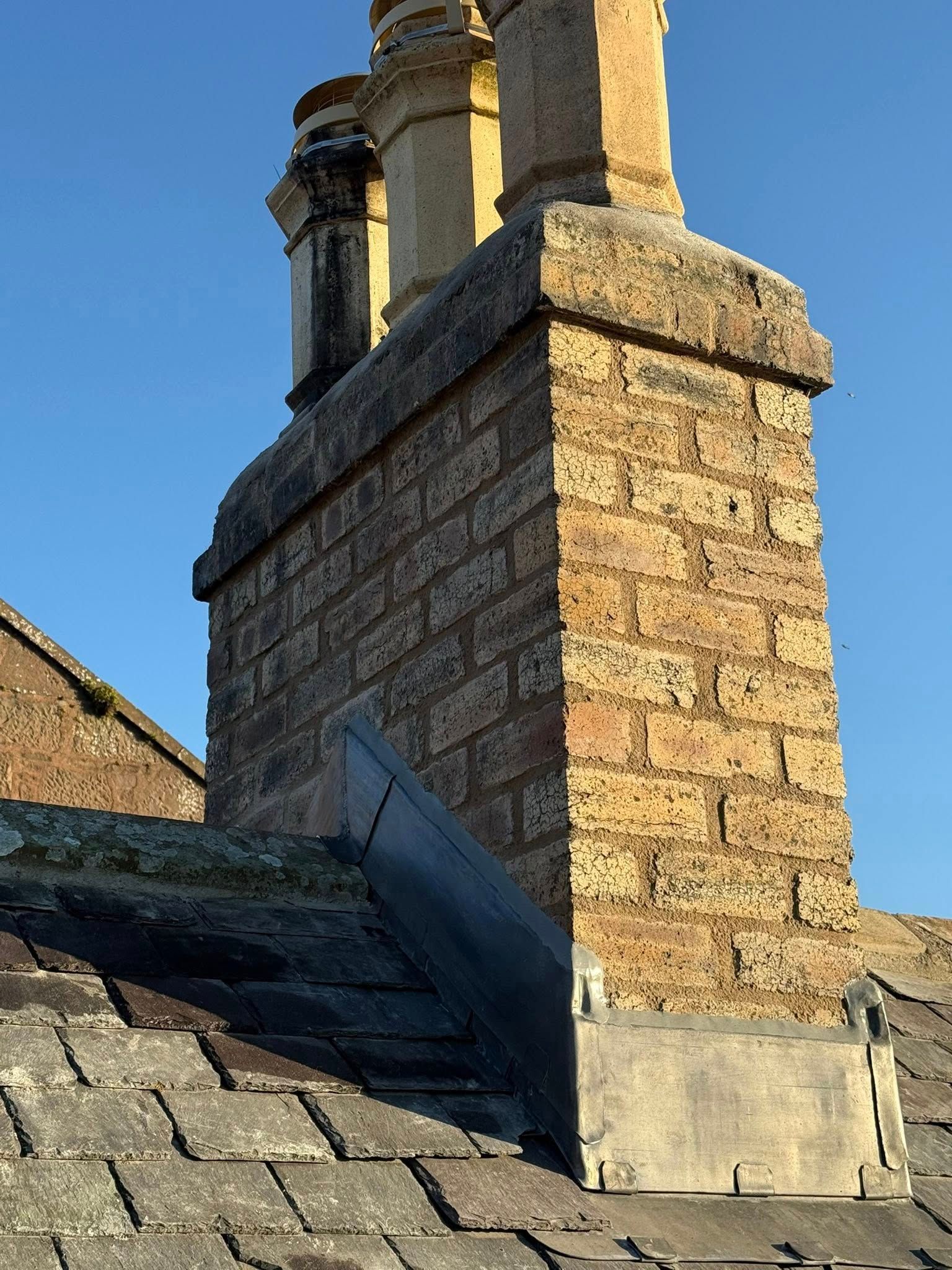
Nottingham has one of the highest concentrations of Victorian and Edwardian housing stock in the East Midlands. Properties in Mapperley, West Bridgford, Sherwood, Sneinton, and Carlton regularly have original terracotta chimney pots that are 80 to 100 years old. These pots crack over time. The flaunching — the mortar bed that holds the pot and sits at the top of the stack — degrades and can detach entirely.
A cowl fixed to a cracked or loose pot will not stay on through a Nottinghamshire winter. A pot that is already unstable can become a falling hazard once a cowl adds wind resistance to it. A falling chimney pot is a serious danger to anyone below.
Before we fit any cowl or bird guard, we check:
- Pot condition — cracks, chips, or loose seating that indicate the pot needs replacing first
- Flaunching condition — sunken, cracked, or detached mortar that cannot hold a fixing securely
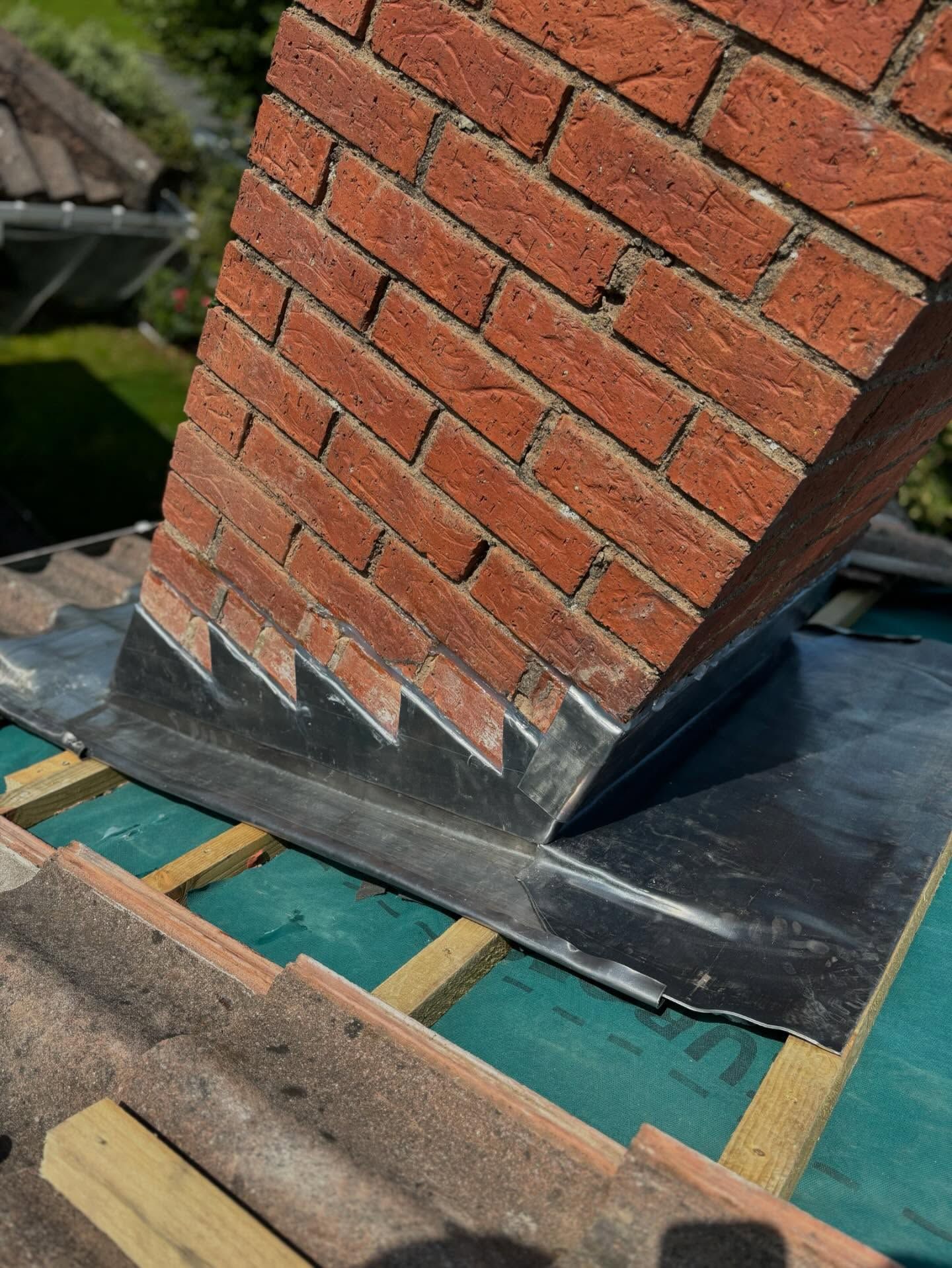
- Stack brickwork — any signs of structural movement in the top courses where the pot sits
- Pot dimensions and profile — internal and external diameter, and whether the pot is round, square, or octagonal, since standard adjustable cowls may not seal correctly on non-standard profiles
If we find a problem at this stage, we tell you straight. We provide a separate quote for the pot or flaunching repair, explain what needs to be done first, and fit the cowl once the base is sound. You will never pay for a cowl fitted onto something that cannot hold it securely.
This is where our free drone roof survey delivers real value. We inspect the full stack — pot, flaunching, and top courses — before any access equipment goes up. Most Nottingham roofers skip this step entirely.
Disused Chimneys Still Need a Ventilated Cap — Sealed Pots Cause Damp and Cost More to Fix Later
If your chimney is no longer connected to a fire or stove, it still needs protection at the top. An open, uncapped pot lets rain fall straight down the flue. That water soaks into the brickwork and mortar inside the stack and eventually shows up as damp patches on the chimney breast wall, a musty smell in the room, or brown staining on internal plasterwork around the fireplace opening.
The answer is not to seal the pot completely. Sealing a flue airtight at both top and bottom traps moisture inside the stack. The flue becomes a damp column inside your home. Mortar softens. Internal plasterwork stains and the structural integrity of the stack deteriorates faster than on an active, ventilated flue.
The correct solution for a disused chimney is a ventilated capping cowl. This covers the pot opening to stop rain and birds while leaving small ventilation slots that allow trickle airflow. The airflow carries residual moisture out of the flue and prevents condensation building up inside the masonry.
Many Nottingham homes — particularly in areas like Hyson Green, Radford, and Lenton — have had gas fires removed and fireplaces plastered over. The stack is still standing and still exposed to the weather. An uncapped pot on one of these stacks will cause internal damp within a few winters. Fitting a ventilated cap is a small, straightforward job that prevents a much larger repair bill later.
We fit vented capping cowls across Nottingham and Nottinghamshire as a standalone service. Where our inspection shows the pot or flaunching also needs attention, we combine both jobs in a single visit.
Why Choose Trust Roofing Services for Chimney Cowl Fitting in Nottingham?
We are a family-run roofing business based in Hucknall, with over 15 years of hands-on roofing and chimney experience across Nottinghamshire. Every job is carried out by our own directly employed team. We never use subcontractors.
Here is what you get on every cowl and bird guard fitting job:
- ✅ Free drone roof survey — inspect the pot, flaunching, and full stack condition before quoting
- ✅ Free, itemised, no-obligation quote — no hidden costs, no verbal estimates
- ✅ Correct product specification — we match the cowl type to your flue, fuel, and pot dimensions
- ✅ Pre-fitting pot and flaunching inspection — we check what the cowl is going onto before it goes on
- ✅ Stainless steel materials on active chimneys — rated for heat, corrosion-resistant, long-lasting
- ✅ Photographic record of the completed installation
- ✅ 10-year workmanship guarantee on all work carried out
- ✅ Fully insured — public liability and employer's liability as standard
- ✅ Local Nottingham knowledge — we know the housing stock, the weather, and the chimney problems that come with both
Frequently Asked Questions — Chimney Cowl & Bird Guard Fitting in Nottingham
Does a chimney need to be swept before a cowl or bird guard is fitted?
For any active chimney connected to a fire, stove, or gas appliance, yes — a blocked or dirty flue must be cleared first. Fitting a cowl onto a partially blocked flue restricts it further and makes the problem worse. We advise a professional sweep before any fitting on an active chimney and can point you to qualified chimney sweeps across Nottinghamshire.
Can a chimney cowl or bird guard be fitted without scaffolding?
On many Nottingham terraces with lower rooflines, cowl and bird guard fitting can be carried out safely using a roof ladder or tower access. Scaffolding is needed on taller properties, steeply pitched roofs, or where we are combining the fitting with flaunching or pot repairs at the same time. We confirm the access method in your quote so there are no unexpected costs on the day.
There are birds nesting in my chimney right now — what should I do?
Do not use the fire or any appliance connected to that flue until the nest has been cleared. Under the Wildlife and Countryside Act 1981, an active nest cannot be removed or disturbed — doing so is a criminal offence. Wait until the birds have fledged, typically from August onward for jackdaws in Nottinghamshire, then arrange a chimney sweep to clear the nest and debris. We can fit the bird guard on the same visit as the sweep.
How do I know if I need a chimney cowl or just a bird guard — or both?
It depends on the problem. If smoke is blowing back into the room, you need an anti-downdraught cowl. If birds are the issue, you need a bird guard. If both problems are present, a combined anti-downdraught bird guard cowl handles both in one fitting. If rain is the issue, a rain cap or combined rain and bird guard cowl is the right choice. We diagnose the problem at the survey stage and recommend accordingly.
Are chimney cowls suitable for gas fires as well as solid fuel stoves?
Not all cowls are. A standard solid fuel bird guard or anti-downdraught cowl must not be fitted to a flue serving a gas fire. Gas terminals must be gas-rated and correctly specified. If your chimney serves a gas appliance, tell us at the enquiry stage and we will specify the correct product. Fitting the wrong terminal on a gas flue is a compliance and safety issue.
Will fitting a bird guard reduce the draw on my fire or stove?
A correctly sized and fitted bird guard maintains the required free exit area of the flue and will not restrict draw under normal conditions. If the mesh becomes blocked with soot or debris over time, it can reduce airflow. We recommend checking the guard annually — ideally at your regular chimney sweep — and clearing any build-up from the mesh at that point.
How long does a chimney cowl or bird guard fitting take?
Most single-pot fittings on a Nottingham terrace or semi-detached take under two hours once access is set up. Where a pot or flaunching repair is needed first, the visit will take longer — we confirm the expected timescale in your written quote.
Can a cowl fix a smoking chimney that has always smoked?
An anti-downdraught cowl will fix wind-related smoke blowback in most cases. However, a chimney that has always smoked may have an underlying issue — an undersized flue, incorrect throat geometry, or a flue that has never been correctly lined. A cowl alone will not resolve a structural draw problem. We assess the full picture before recommending a cowl as the fix.
Does fitting a cowl on a disused chimney require planning permission?
Standard like-for-like cowl fitting and pot replacement does not require planning permission. If your property is in a conservation area or is a listed building — which applies to some streets in Nottingham, including parts of The Park estate and Mapperley Park — you may need prior approval from Nottingham City Council before any external alteration to the chimney. We advise on this at the survey stage.
Areas We Work — Chimney Cowl & Bird Guard Fitting Across Nottinghamshire
Trust Roofing Services is based in Hucknall, NG15, and covers all NG postcodes plus several bordering areas. We regularly fit chimney cowls and bird guards across the following towns and areas:
Hucknall NG15 — our base and starting point for all Nottinghamshire jobs
Nottingham City Centre NG1
The Meadows & Lenton NG2 / NG7
Sherwood & Mapperley NG3 / NG5
Arnold NG5
Carlton & Gedling NG4
West Bridgford & Edwalton NG2 / NG12
Beeston & Chilwell NG9
Stapleford NG9
Bulwell & Bestwood NG5 / NG6
Radford & Hyson Green NG7
Basford & Lenton NG6 / NG7
Wollaton & Bilborough NG8
Long Eaton NG10
Ruddington & Clifton NG11
Eastwood & Kimberley NG16
Kirkby in Ashfield NG17
Sutton in Ashfield NG17
Mansfield NG18 / NG19
Newark on Trent NG24
Not sure if we cover your area? Call us on 0115-647-3275 and we will confirm straight away. We are always happy to travel across Nottinghamshire for chimney cowl and bird guard fitting jobs — just ask.
Book Your Chimney Cowl or Bird Guard Fitting Today — Don't Wait Until It Costs You More
The longer a chimney pot goes without the right protection, the more expensive the consequences become. Rain ingress damages internal masonry and plasterwork. Bird nests block flues and create a carbon monoxide risk. Downdraught makes your fire inefficient and miserable to use. All three problems are entirely preventable with the right cowl or bird guard, fitted correctly the first time.
Trust Roofing Services has been protecting Nottingham chimneys for over 15 years. We are a family-run team based in Hucknall. We know Nottinghamshire's housing stock, its weather, and the chimney problems that come with both. Every job starts with a free drone survey so you can see exactly what needs doing before you spend a single penny.
Call us today on 0115-647-3275 for your free, no-obligation chimney cowl and bird guard fitting quote. We cover the whole of Nottingham, Nottinghamshire, and the East Midlands.
📞 0115-647-3275
📍
Trust Roofing Services | 40 Harrow Road, Hucknall, Nottingham, NG15 6JD
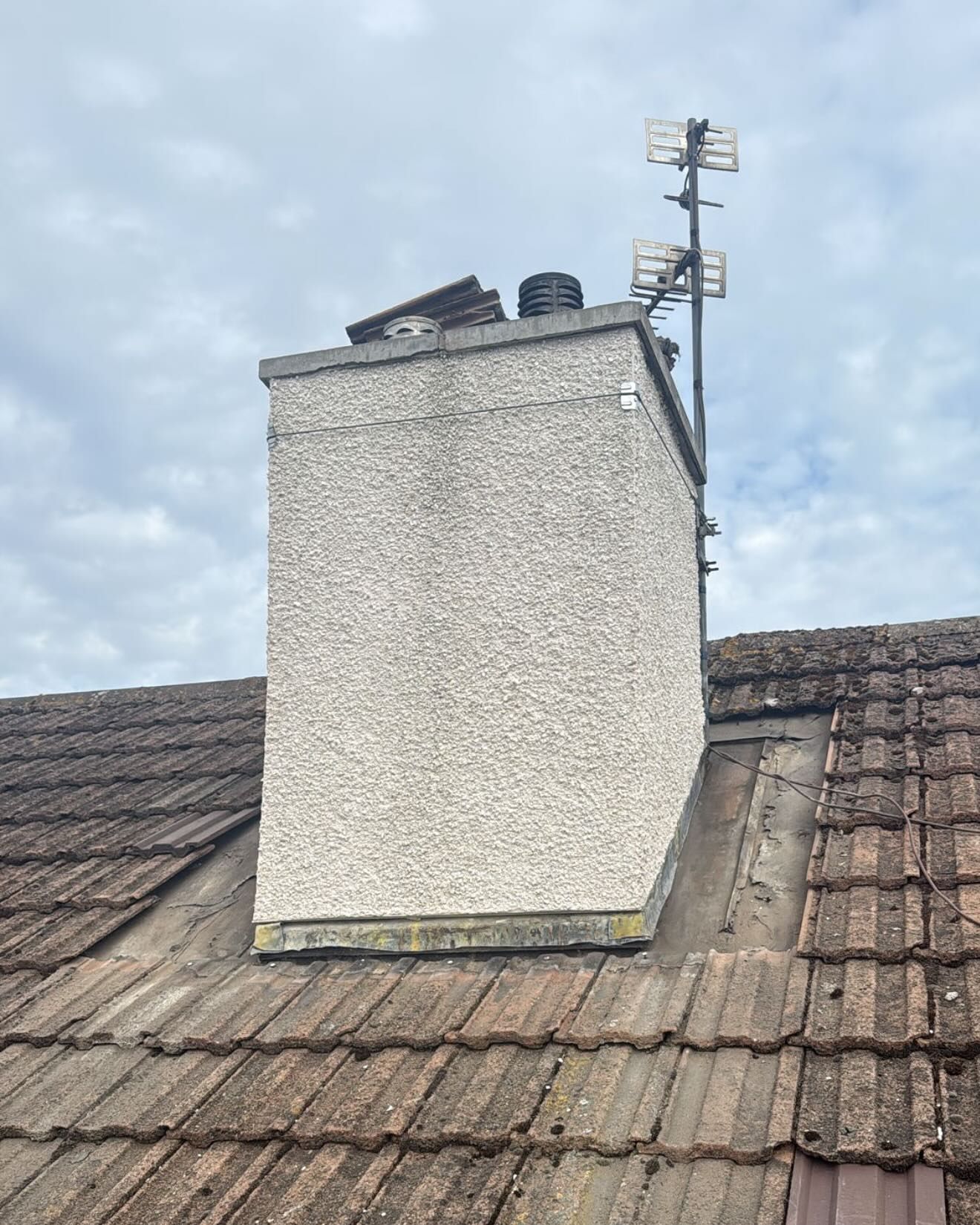
Let’s talk about your Chimney Structural Survey & Inspection request.
Our FREE Drone Service can reveal and and show you any problems that you can see for yourself.
Fill out the form, or call us to discuss your requirements
0115-647-3275