Trust Roofing Services
Professional Chimney Structural Survey And Inspection
FREE Drone Survey
Free Quote
BBA-Approved Materials. 10-Year Guarantee.
Call: 0115-647-3275
Chimney Structural Surveys & Inspections Nottingham — Is Your Stack Safe?
At Trust Roofing Services, we carry out chimney structural surveys and inspections in Nottingham for homeowners, landlords, and buyers across Nottinghamshire. Whether you're buying a period terrace, planning to fit a wood burner, or concerned about a leaning stack, we give you a clear picture of what is going on — from the hearth to the chimney pot.
We cover the full range of survey types: structural assessments, CCTV flue inspections, smoke tests, and external stack checks. Where ladder access is restricted or unsafe, we offer a free drone survey — no scaffolding required — to inspect your chimney stack from above with high-definition aerial footage.
Bookings are available most weeks. Every survey ends with a written report and a certificate of survey you can use for insurance, conveyancing, or building control purposes.
We serve homeowners, landlords, house buyers, and property managers across Nottingham and the wider NG postcode area. Call us on 0115 647 3275 to arrange yours.
What a Chimney Structural Survey Involves
A chimney structural survey checks every part of your chimney system — not just what you can see from the ground. We inspect the full structure from the fireplace opening up to the chimney pot, looking for damage, movement, or anything that makes the chimney unsafe to use.
A chimney survey is not the same as a chimney sweep. A sweep cleans the flue. A structural survey tells you what condition the flue, the stack, and the breast are actually in — and whether it is safe to use.
Our surveys cover:
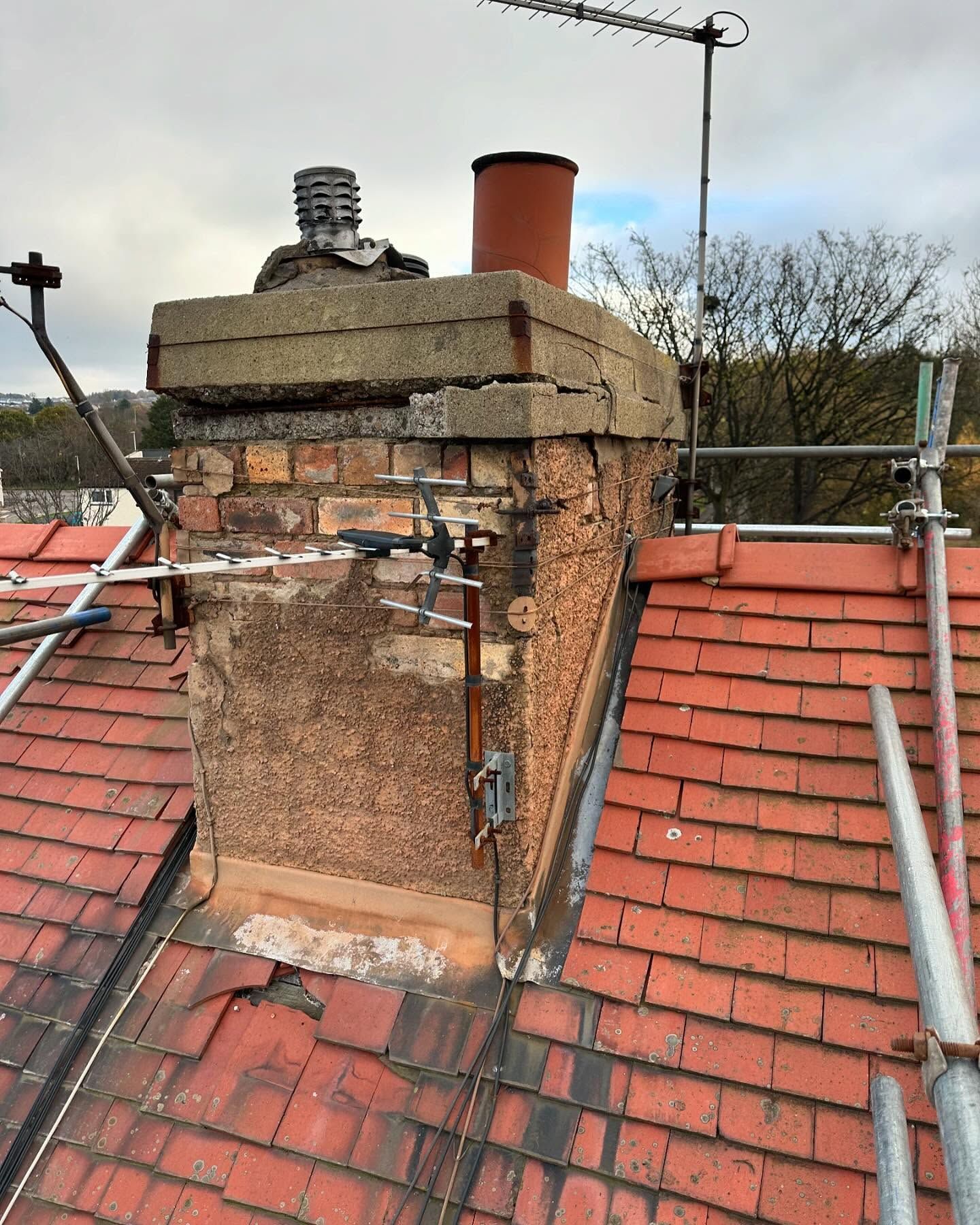
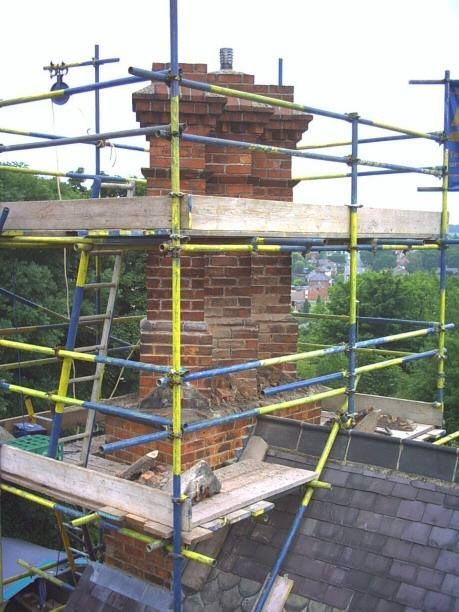
- Chimney stack and brickwork — cracks, spalling, mortar joint condition, and visible lean
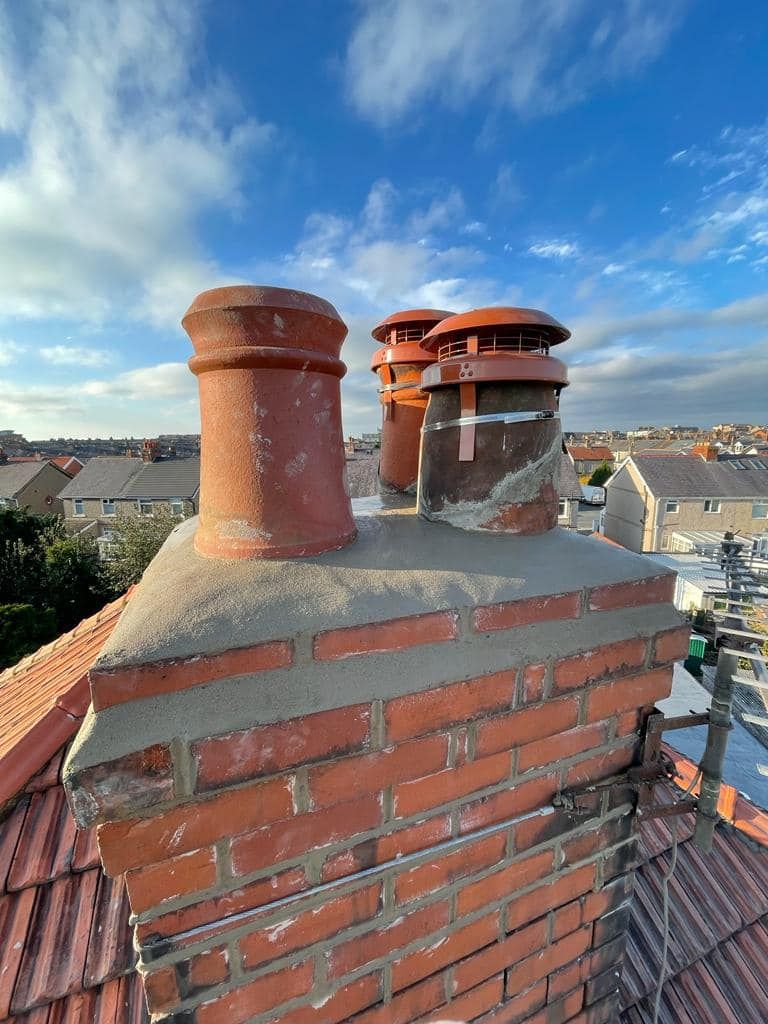
- Flaunching — the mortar cap around the chimney pot; a common failure point that lets water in
- Chimney pot and terminal — stability, cracks, and correct positioning
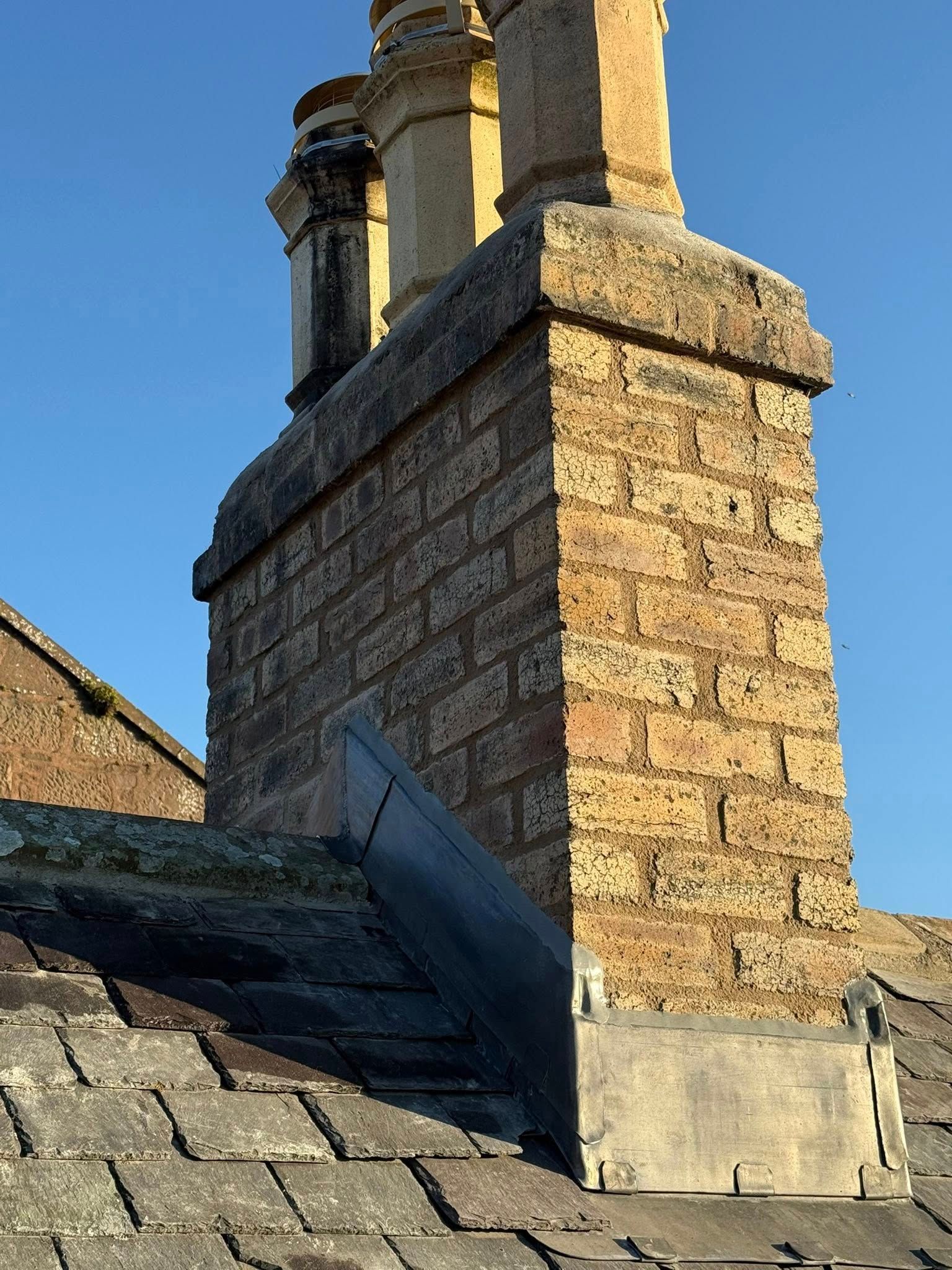
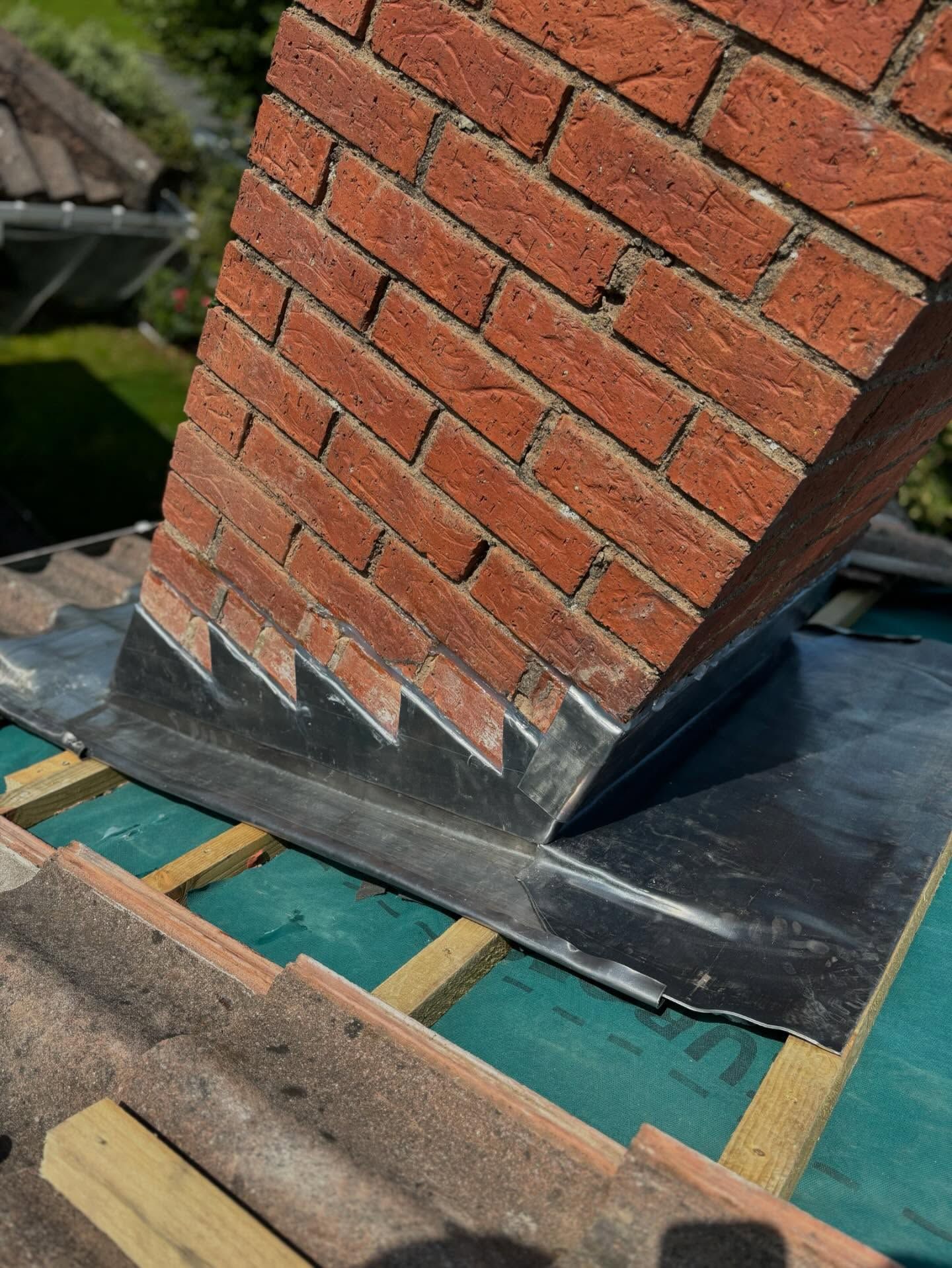
- Lead flashing — where the stack meets the roof slope; checked for gaps and lifting
- Chimney breast — internal wall condition, signs of damp, and structural integrity
- Flue liner — cracking, deterioration, blockages, or missing lining sections
- Firebox and hearth — wear, damage, and correct clearances
- Carbon monoxide risk — any crack, gap, or liner failure in a working chimney can allow carbon monoxide to enter your home. We check for this at every survey.
How We Carry Out the Survey
We use three main inspection methods depending on what your chimney needs:
- Visual inspection — our specialist examines the full system from roof level and inside the property
- CCTV flue survey — a camera passes through the full length of the flue to show liner condition and blockages
- Smoke testing — a dynamic draw test checks the flue pulls correctly; a sealed static pressure test checks for leaks into adjacent rooms or neighbouring properties
Where the stack is difficult or unsafe to reach by ladder — on taller terraces, end-of-terrace homes, or properties with restricted roof access — we carry out a free drone survey. This gives a clear, recorded aerial view of pointing condition, flaunching, pot stability, and lead tray position without the cost or disruption of scaffolding.
After the survey you receive a written report with photographs, clear findings, and recommended next steps. We also issue a certificate of survey — useful for conveyancing, insurance, or building control submissions.
Nottingham has a large stock of Victorian and Edwardian terraces, particularly in areas like The Meadows and Sherwood. These properties were built with original brick stacks that are now well over a hundred years old. A basic sweep does not tell you what is happening inside those flues or at the top of the stack. A proper structural survey does.
How to Tell If Your Chimney Is Load-Bearing
Before you remove a chimney breast or carry out any structural work near a chimney, you need to know whether it is load-bearing. Getting this wrong can cause serious damage to your home — and create legal problems when you come to sell.
This is one of the most searched questions on Google about chimneys, and for good reason. In Nottingham's Victorian and Edwardian housing stock, the answer is almost always: yes, it is structural.
Some visual clues suggest a chimney may be structural:
- The breast runs through all floors from ground level to the roof
- The brickwork is thick — typically over 200mm
- The chimney sits centrally inside the property rather than against an external wall
- Beams or joists appear to bear against or alongside the breast
- The stack continues above the roofline rather than stopping in the loft
These clues are a starting point, not a conclusion. Only a qualified structural engineer can confirm whether your chimney is load-bearing and what work is needed before removal.
Nottingham's Terrace Housing — A Special Case
In Nottingham, this matters more than in many other cities. The Victorian and Edwardian terraces in areas like Carrington and Forest Fields were built with chimney stacks as part of the structural frame. In rows of terraced housing, the chimney breast often forms part of the party wall between two properties. Removing it without a proper assessment — and without notifying your neighbour under the Party Wall Act 1996 — can create legal and structural problems that affect both homes.
UK Building Regulations require structural calculations and building control approval before any chimney breast removal. A builder's word is not enough. You need a written assessment from a qualified engineer before work starts, and you need building control sign-off before you sell.
Warning Signs Your Chimney Stack Needs Inspecting Now
Some chimney problems are easy to miss until they become serious. These are the signs that tell you a structural inspection should not wait.
Signs Visible From Outside the Property
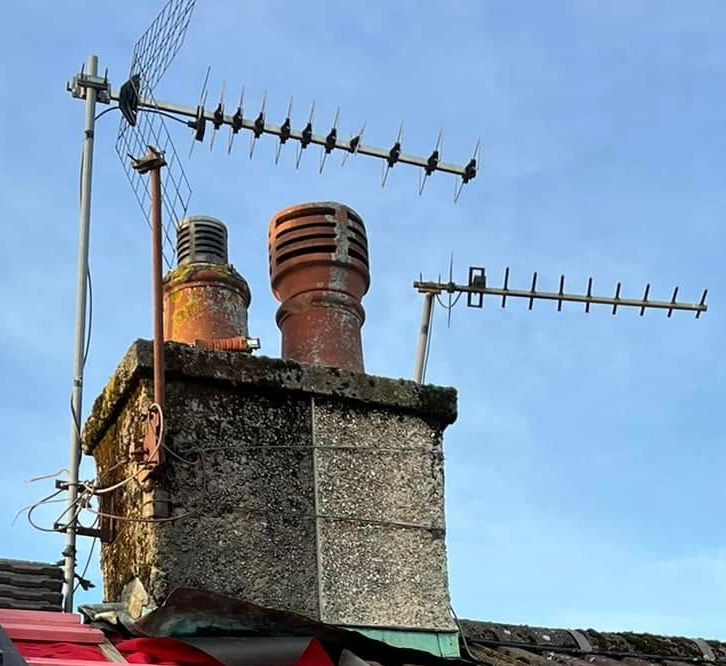
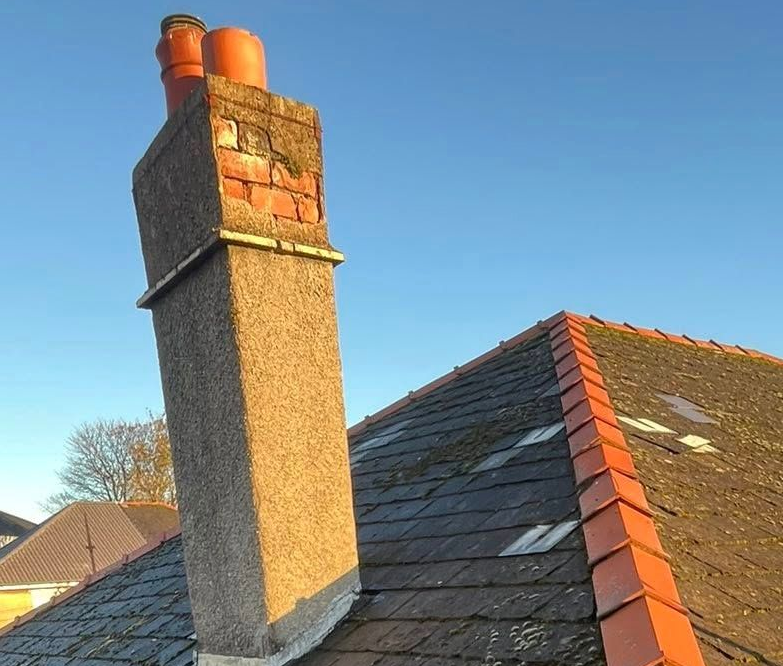
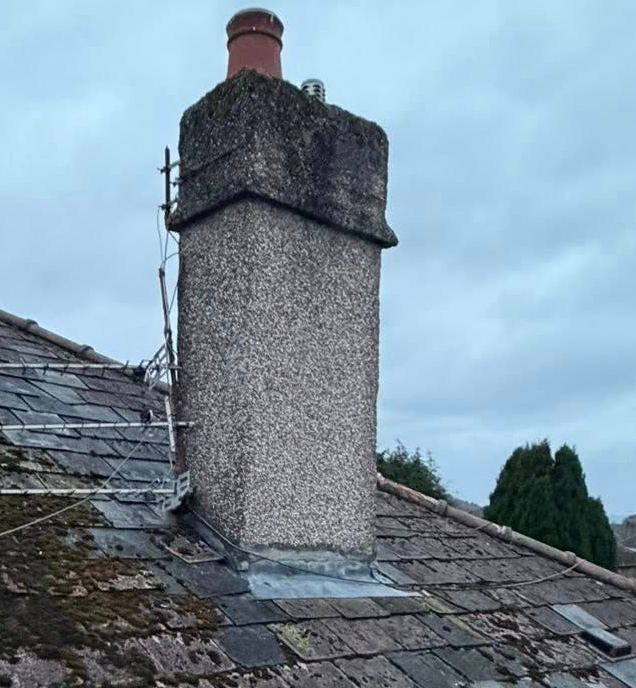
- The stack is visibly leaning when viewed from the street or garden
- Brickwork is crumbling, spalling, or showing large cracks
- Mortar joints are missing or crumbling between courses of brickwork
- The flaunching (mortar around the pot) has cracked or fallen away
- The chimney pot is loose, tilted, or missing entirely
- Vegetation or moss growth visible on the stack — a sign of persistent damp
Signs Visible From Inside the Property
- Damp patches on walls or ceilings close to the chimney breast
- Smoke or fumes entering a room instead of drawing up the flue
- White staining (efflorescence) appearing on the breast or external wall
- A persistent musty smell near the fireplace even when it is not in use
- Flaking plaster or staining around the chimney breast
Any one of these signs is worth acting on. Left alone, they tend to get worse — and the repairs get more expensive.
Why Nottingham Properties Are Particularly Affected
Nottingham has two local factors that accelerate chimney deterioration.
First, the city's wet winters and freeze-thaw cycles attack mortar joints on exposed stacks, particularly on north-facing elevations. Nottingham sees significant rainfall spread throughout the year. Water enters small cracks, freezes, expands, and widens those cracks season after season.
Second, Nottingham sits within a former coal mining area. In some parts of the city, gradual ground movement from historic shallow mine workings puts stress on chimney foundations and can cause cracking or lean that is not related to the chimney itself. If your property is in an area affected by mining legacy, a Coal Authority search through your conveyancer is worth considering alongside your chimney survey. If your stack is showing signs of movement, mention this when you book so we can factor it into our assessment.
CCTV Chimney Inspections — What They Find and When You Need One
A CCTV chimney inspection puts a camera inside your flue. It shows the condition of the liner, the brickwork, and the full internal structure — things that cannot be seen any other way. It is the single most useful diagnostic tool available for any chimney that has a problem, a history of inactivity, or a planned change of use.
What a CCTV Survey Finds
- Cracked, collapsed, or missing sections of flue liner
- Birds' nests, debris, or fallen masonry blocking the flue
- Mortar joint breakdown inside the flue allowing smoke to leak into adjacent rooms
- Heavy tar or creosote deposits that cannot be removed by sweeping and create a fire risk
- Construction errors or previous DIY repairs that do not meet current standards
- Evidence of a previous chimney fire — scorching, cracking, or displaced liner sections
- Shared or interconnected flues — common in Nottingham terraces where two flues run side by side
When You Need a CCTV Inspection
- Before lighting a fire in a property you have just moved into
- Before fitting a wood burner or multifuel stove — the liner must be checked and matched to the appliance
- When recommissioning a chimney that has not been used for several years
- After any chimney fire, however small it appeared
- When you have poor draw, smoke coming back into the room, or persistent smells
- Before a flue liner installation — to confirm dimensions and internal condition
- When your home insurer has requested evidence of flue integrity
How the Survey Works
Before the camera goes in, the flue is swept to remove soot and debris. This gives the camera a clear view throughout. The full survey is recorded and you receive a written report with images and recommendations. The flue must not have been used for at least 24 hours before the inspection begins.
For stacks that are difficult or unsafe to reach by ladder, we add a free drone survey to inspect the external chimney before the internal CCTV work begins. This is particularly useful on taller properties and end-of-terrace homes where the stack sits high above the roofline. The drone footage is recorded and included with your written report.
A large proportion of Nottingham homes built before 1965 — particularly in older suburbs like Basford — have unlined or inadequately lined flues. Many homeowners are not aware of this until they want to use the fireplace or fit a stove. A CCTV survey tells you exactly what you are working with before any money is spent on an appliance or liner.
Chimney Surveys When Buying a House in Nottingham
A standard homebuyer survey covers the chimney — but not in the way most buyers expect.
A RICS Level 2 or Level 3 survey gives you a visual check of the external stack: pointing condition, visible lean, flashing at roof level, and any obvious structural concerns. It does not test the flue, inspect the liner, or certify the chimney as safe to use. For a property with a working fireplace or wood burner, that is not enough information.
What a Standard Survey Will Not Tell You
- An internal view of the flue liner
- Confirmation that the flue is safe to use with a specific appliance
- Evidence of previous chimney fires or smoke leakage into adjacent rooms
- Verification that any HETAS installation certificates exist for appliances already fitted
- Confirmation that a removed chimney breast had building regulations approval
- Whether the chimney has ever been used with the wrong fuel type — which can cause rapid liner degradation
What to Request Before Exchange
- An independent CCTV chimney survey from a qualified specialist
- Copies of any HETAS certificates from the seller for installed appliances
- Building regulations completion certificate if any chimney breast has been removed
- Confirmation of who is responsible for a shared party-wall stack in a terrace
- A Gas Safe certificate if the property has a gas fire connected to a chimney flue
A removed chimney breast without building regulations approval is a red flag at the point of sale. It can delay exchange, affect your mortgage offer, and create an insurance gap. If your surveyor flags this, do not proceed without getting sight of the paperwork or having the structure independently assessed.
Nottingham's Period Property Hotspots
Nottingham's most popular buying areas — West Bridgford, Arnold, and Beeston — contain a high proportion of Victorian and Edwardian properties. These homes were almost always built with structural chimney stacks, and many have had fireplaces removed or altered over the decades without documentation. Buyers in these areas regularly discover chimney problems only after they move in.
Nottingham also has designated conservation areas where chimney alterations are controlled — including The Park Estate, one of the finest examples of Victorian planned development in England, and Mapperley Park. If you are buying in a conservation area or a listed building, any chimney work will require listed building consent or conservation area approval in addition to standard building regulations. Work carried out without this consent can result in an enforcement notice requiring you to reinstate the original structure at your own cost.
A pre-purchase survey gives you a clear view of the chimney's condition and any cost implications before you commit. Book before exchange — not after.
Frequently Asked Questions About Ridge Tile Repairs & Rebedding in Nottingham
What is a chimney structural survey and what does it involve?
A chimney structural survey is a professional inspection of your chimney's condition from the firebox to the chimney pot. It covers the external stack, brickwork, mortar joints, flaunching, lead flashing, and internal flue liner. Methods include visual inspection, CCTV camera survey, and smoke testing. You receive a written report and certificate of survey at the end.
How do I know if my chimney is load-bearing?
Visual clues include a breast that runs from ground level to the roof, thick brickwork (over 200mm), and a central position within the home. However, only a qualified structural engineer can confirm load-bearing status with certainty. In Victorian and Edwardian terraces across Nottingham, most chimney stacks are structural.
Do I need a chimney survey when buying a house?
Yes — especially in Nottingham where the housing stock is predominantly Victorian and Edwardian. A standard RICS survey does not include an internal flue inspection. A dedicated chimney survey before exchange gives you an accurate picture of the flue's condition, liner status, and any safety concerns.
What is a CCTV chimney survey and when do I need one?
A CCTV chimney survey uses a camera passed through the full length of the flue to show the internal condition of the liner, joints, and any blockages. You need one before fitting a wood burner, after a chimney fire, when recommissioning a dormant fireplace, or when a standard survey has flagged chimney concerns.
How often should a chimney be inspected in the UK?
Active chimneys should be inspected once a year, ideally before the heating season starts in autumn. Any chimney that has been dormant should be inspected before use. After any chimney fire — even a minor one — arrange an inspection before lighting another fire.
Will a standard homebuyer's survey cover the chimney fully?
No. A RICS Level 2 or Level 3 survey covers the visible external chimney only. It does not include an internal flue inspection and cannot certify the chimney as safe to use with a specific appliance. You need a separate specialist chimney survey for that.
Who is qualified to carry out a chimney structural survey?
A HETAS-approved chimney specialist is the recognised standard for flue condition reports and CCTV surveys. A structural engineer is needed when load-bearing status must be confirmed. A RICS surveyor covers the chimney as part of a wider property survey but does not inspect the flue internally.
Do I need building regulations approval to remove a chimney breast in Nottingham?
Yes, always. Building regulations approval is required before any chimney breast removal begins. A structural engineer must confirm the load-bearing status and design the appropriate support. Removing a chimney breast without approval is a notifiable offence under UK Building Regulations and will need to be resolved before you can sell the property.
What are the signs my chimney stack needs a structural inspection?
Key signs include a visibly leaning stack, crumbling mortar, cracked or missing flaunching, damp patches inside near the breast, smoke entering rooms, and efflorescence (white staining) on the breast wall. Any one of these is a reason to book an inspection.
My chimney stack is leaning — is that serious?
A visible lean always needs a professional assessment. It can indicate mortar failure, subsidence, or in some parts of Nottingham, gradual ground movement related to the city's former coal mining history. Do not wait for the next maintenance visit — arrange an inspection promptly.
Areas We Cover for Chimney Structural Surveys & Inspections
We carry out chimney structural surveys and inspections across Nottingham and the wider Nottinghamshire area. Below are the main towns and areas we serve:
Nottingham City & Inner Areas
- Nottingham City Centre — NG1
- Hucknall — NG15 (our base)
- Arnold — NG5
- Carlton — NG4
- Sherwood — NG5
- Bestwood — NG5
- Bulwell — NG6
- Hyson Green — NG7
- Radford — NG7
- Forest Fields — NG7
- Lenton — NG7
- Beeston — NG9
- West Bridgford — NG2
Greater Nottinghamshire
- Mapperley — NG3
- Gedling — NG4
- Netherfield — NG4
- Long Eaton — NG10
- Stapleford — NG9
- Clifton — NG11
- Ruddington — NG11
- Kirkby in Ashfield — NG17
- Sutton in Ashfield — NG17
- Mansfield — NG18 / NG19
- Newark-on-Trent — NG24
- Eastwood — NG16
- Ilkeston — DE7
Not sure if we cover your area? Call us on 0115 647 3275 and we will confirm straight away.
Book Your Chimney Structural Survey Today
Your chimney is one of the most overlooked parts of your home — until something goes wrong. A leaning stack, a cracked liner, or a blocked flue does not announce itself until the damage is already done or a safety risk has developed.
At Trust Roofing Services, we give Nottingham homeowners, landlords, and buyers a straight answer about their chimney's condition. You get a written report, a certificate of survey, and clear advice on what needs doing — with no jargon and no unnecessary upselling.
Whether you're buying a Victorian terrace in West Bridgford, fitting a wood burner in Arnold, concerned about a stack in Beeston, or managing a rental in Hucknall — we're your local chimney survey specialists in Nottingham.
Call 0115 647 3275 today or use the contact form on this page. Same-week bookings available across Nottinghamshire. Free drone survey included where ladder access is restricted.
Let’s talk about your Chimney Structural Survey & Inspection request.
Our FREE Drone Service can reveal and and show you any problems that you can see for yourself.
Fill out the form, or call us to discuss your requirements
0115-647-3275