
Trust Roofing Services Nottingham
Clay Roof Tiling Nottingham — Trusted Local Specialists
Call Now To Arrange A FREE Drone Survey & Consultation
0115-647-3275
Residential & Commercial Clay Roof Tiling Repairs & Installation
In Nottingham, clay roof tiles are one of the most trusted choices for period homes, Victorian terraces, and traditional builds across the city.
At Trust Roofing Services, we carry out clay roof tiling for homeowners across Nottinghamshire — from full re-roofs and tile replacements to heritage restoration and conservation area work. We are based in Hucknall and work throughout Nottingham and the surrounding areas.
Call us for a free, no-obligation site visit and drone survey. We will assess your roof, explain what the work involves, and give you a clear written quote before anything is agreed.
Call Trust Roofing Services: 0115-647-3275
What Clay Roof Tiling in Nottingham Actually Involves
If you have noticed cracked tiles, slipped tiles, or damp patches on your ceiling, your clay roof may need attention. Knowing what a clay tiling job covers helps you plan ahead.
When we visit a Nottingham property, we start with a full inspection. We check the tiles themselves, the battens underneath, the underlay, and the fixings at the eaves and ridges. We look for signs of frost damage, mortar failure, and any tiles that have lost their grip.
From there, the job could be:
- A single tile swap — where one or two damaged tiles are replaced like-for-like
- A partial re-tile — where a section of the roof has failed
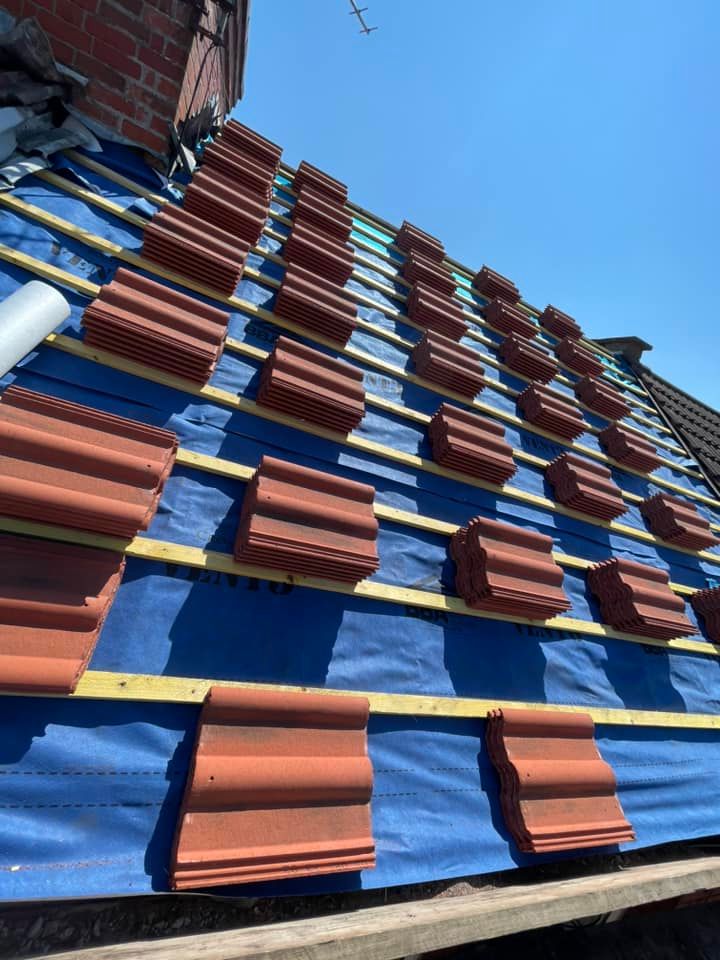
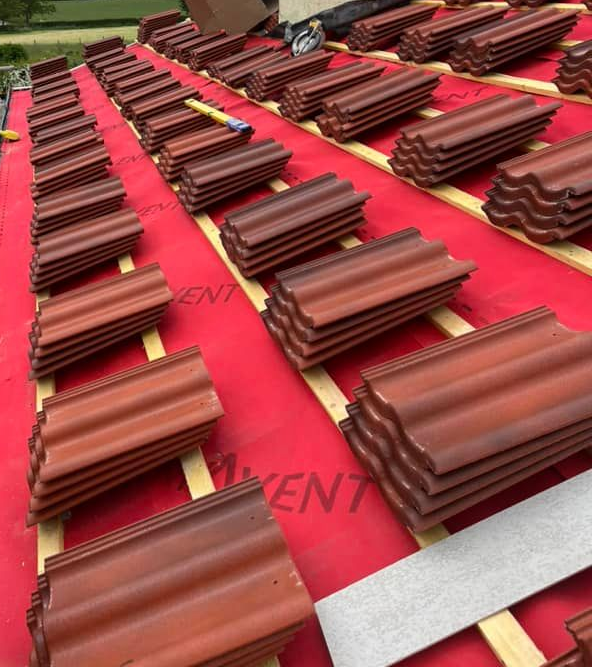
- A full re-roof — where the tiles, battens, and underlay are all stripped and replaced
Nottinghamshire has a large stock of Victorian terraces and Edwardian semis. Many of these properties were originally built with clay plain tiles. When we carry out like-for-like replacements on these homes, we source tiles that match the original profile, size, and colour as closely as possible.
No two roofs are the same. A site visit is always the right starting point.
Why Clay Tiles Perform Well on Nottingham Roofs
Many Nottingham homeowners ask whether clay tiles are worth the extra investment over concrete. For traditional and period homes, clay has clear advantages.
Clay tiles are made from natural kiln-fired clay. The colour runs all the way through the tile, so it does not fade over time. Concrete tiles have a surface coating that can bleach and spall after years of UV exposure. A clay tile roof looks better as it ages, not worse.
For homes in elevated areas like Hucknall and Arnold, frost resistance matters. Nottinghamshire winters bring repeated freeze-thaw cycles. Quality clay tiles manufactured to BS EN 1304 are tested to resist this. They absorb very little water and do not crack under freezing conditions the way cheaper materials can.
Clay tiles are also lighter than many homeowners expect. For older Nottingham properties where the roof structure has not been updated, this matters. Clay places less stress on the rafters than heavier concrete alternatives.
Clay tiles vs concrete tiles at a glance:
Colour retention — Clay is permanent, baked into the tile. Concrete has a surface coating that fades over time.
Lifespan — Clay lasts 60 to 100 years or more. Concrete typically lasts 40 to 60 years.
Frost resistance — Clay rates high and meets BS EN 1304. Concrete is moderate.
Weight — Clay is lighter. Concrete is heavier.
Appearance on period homes — Clay looks authentic. Concrete can look modern.
If your property is in a conservation area, or if matching the look of neighbouring roofs matters to you, clay is almost always the right choice.
Planning Permission and Building Regulations for Clay Roof Tiling
Before any tiling work starts, it is worth understanding what approvals — if any — you need. Most homeowners find the process straightforward, but there are situations where checks are needed first.
Like-for-like replacements — replacing clay tiles with matching clay tiles of the same profile and colour — are classed as routine maintenance under Permitted Development Rights. You do not normally need a planning application for this.
When permission is required:
- Your property is a listed building. Any changes require Listed Building Consent — this applies even to minor repairs.
- Your home is in a conservation area. Nottingham has several designated conservation areas, including Mapperley Park and The Park Estate. Councils can require that replacement tiles match the original material exactly. If in doubt, check with Nottingham City Council before starting.
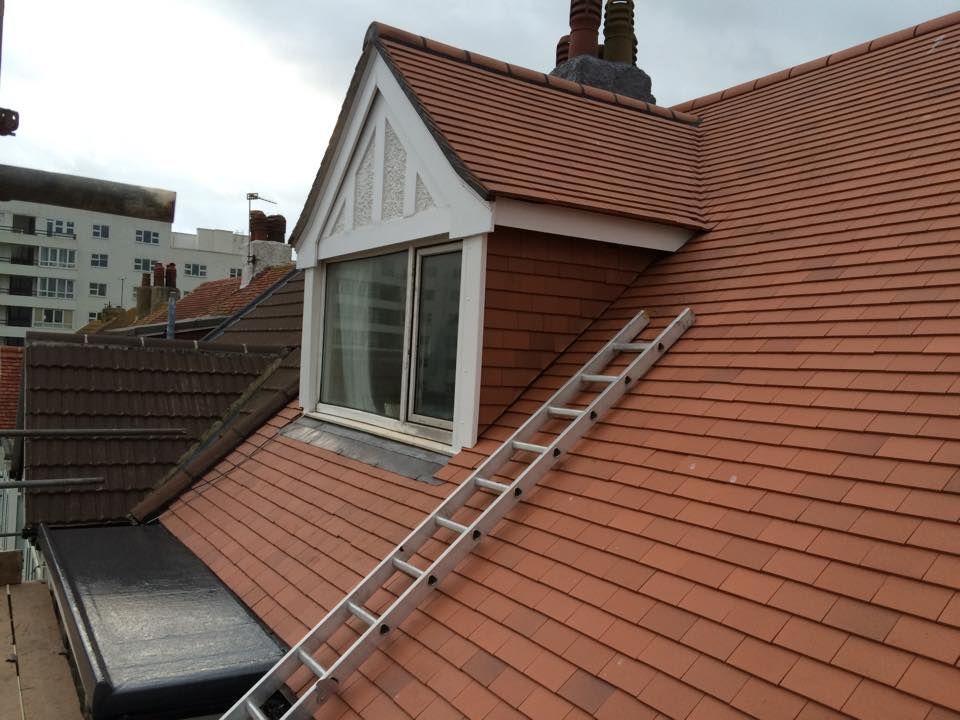
- You are making structural changes to the roof shape, pitch, or adding dormers. These always require a planning application.
Building regulations apply separately. If you are replacing more than 25% of the roof area, a building regulations application is required. A building inspector will check loft insulation levels meet current standards — you may need to upgrade insulation as part of the project.
At Trust Roofing Services, we advise every customer on which approvals apply to their specific property before work begins. We will not start a job without being clear on what is needed.
How Clay Roof Tiles Are Fixed to Your Roof
Correct fixing is one of the most important parts of a clay tiling job. Tiles that are not properly secured can lift in high winds, allow water in, or slip entirely.
All clay roof tiling in the UK must follow BS 5534 — the Code of Practice for Slating and Tiling. This sets out minimum fixing requirements for every tile, based on the roof's location, pitch, and wind exposure zone.
Correct clay tile fixing involves:
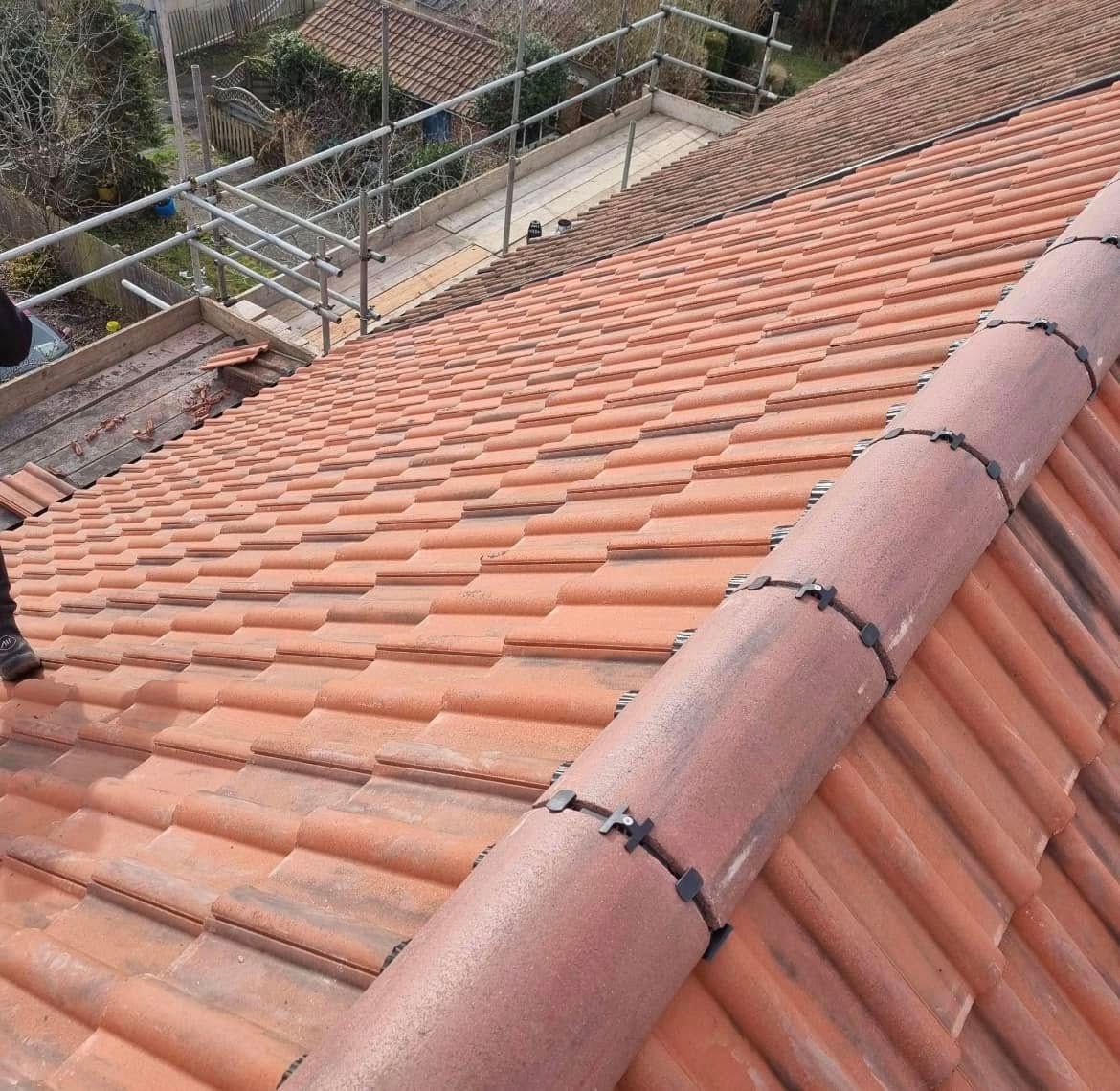
- Mechanical fixing at all perimeter tiles — every tile at the eaves, verges, and ridges must be nailed or clipped as a minimum. These are the most exposed tiles on any roof.
- Field tiles — fixed according to the BS 5534 wind zone calculation for the specific property.
- Nails or clips — aluminium alloy clout nails, purpose-made tile clips, or a combination of both depending on tile type.
- Dry-fix ridge system — mortar alone is no longer acceptable for ridges and hips. A dry-fix ridge system uses mechanical clips and interlocking components. More durable and maintenance-free than mortar bedding.
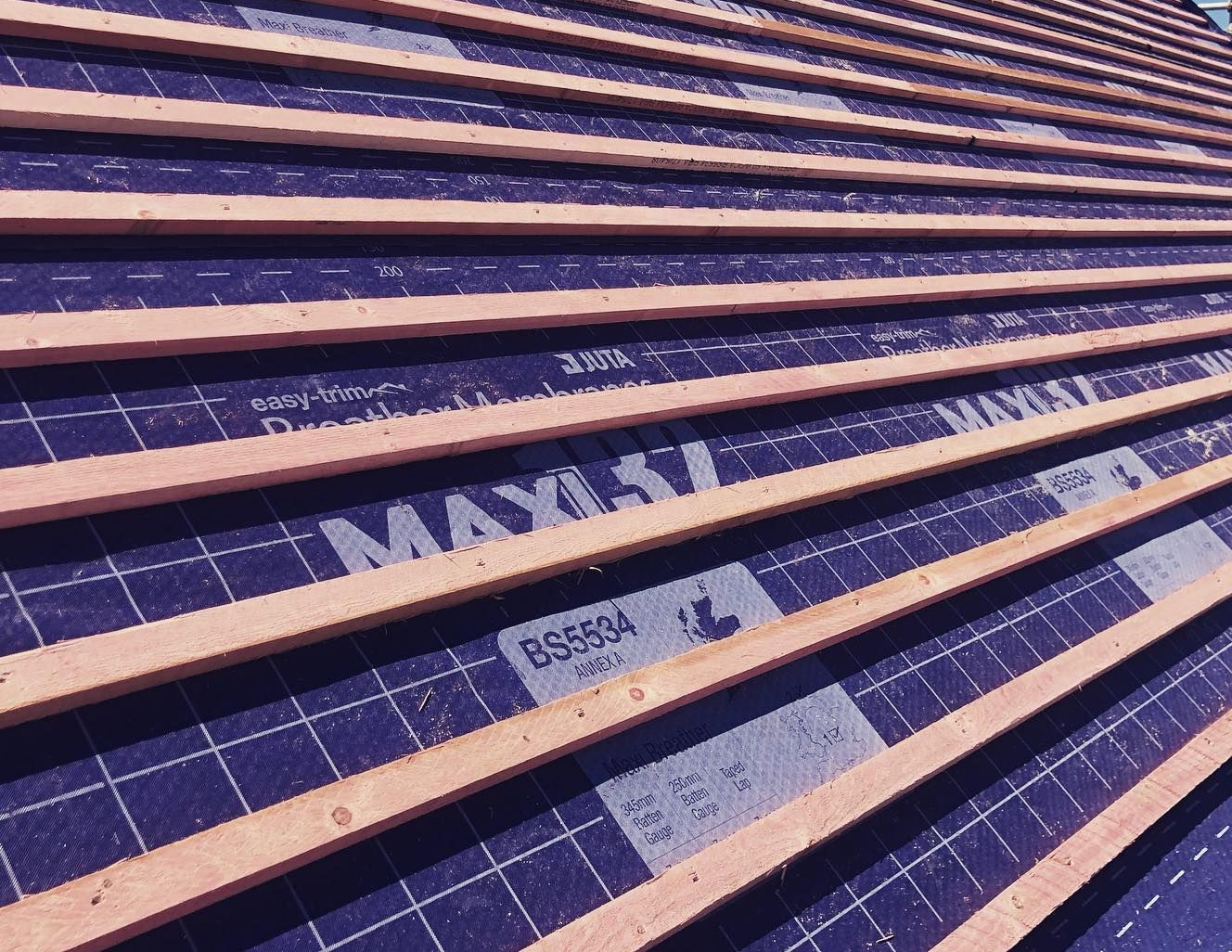
- Underlay — a breathable membrane laid beneath the battens as a secondary waterproofing layer.
- Battens — treated timber battens fixed at the correct gauge for the specific tile, ensuring each course laps correctly over the one below.
We use dry-fix ridge systems as standard on all our clay tiling work. This meets BS 5534 and BS 8612 and removes the need for regular repointing of ridge mortar in the years ahead.
Keeping Your Clay Tiled Roof in Good Shape Year After Year
Clay tiles are low-maintenance compared to most other roofing materials. But low-maintenance does not mean no-maintenance. A small amount of care at the right time can add decades to your roof's life.
We recommend a professional roof inspection every three to five years for most Nottingham properties. After any significant storm in autumn or winter, a visual check from ground level is also worthwhile.
What to look out for:
- Cracked or missing tiles — even one broken tile can let water into the batten zone. Replace promptly.
- Slipped tiles — tiles that have dropped out of position often indicate a failed nail or clip. A quick fix if caught early.
- Moss and lichen — common on north-facing slopes and shaded areas across Hucknall and Bulwell. Moss holds moisture against the tile and accelerates frost damage. We remove it gently with specialist treatments — never high-pressure jets.
- Blocked valleys and gutters — autumn leaf fall across Nottinghamshire blocks drainage quickly. Blocked gutters force water under tile courses and into the roof structure.
- Ridge and hip mortar — if your roof still has mortar-bedded ridges, check for cracks each year. We can upgrade these to a dry-fix system when carrying out any tiling work.
If you spot anything that does not look right, call us. Early attention is nearly always less costly than letting a problem develop.
Trust Roofing Services: 0115-647-3275
Clay Tiles for Listed Buildings and Conservation Areas Near Nottingham
Owners of heritage properties and listed buildings across Nottinghamshire face extra considerations when it comes to roofing. Getting the material choice wrong can result in a planning refusal or, for a listed building, enforcement action.
Conservation officers in Nottingham increasingly specify clay tiles over concrete for period properties. Clay tiles age naturally, develop a patina over time, and maintain the character of the streetscape in a way that concrete tiles cannot.
What makes heritage clay tiling different:
- Handmade tiles are available where the original tiles have a hand-formed texture and natural variation. Machine-made tiles will not pass inspection on many listed buildings.
- Regional colour matching — manufacturers produce blends that reflect the natural clay colours of specific regions. For Nottinghamshire properties, we source tiles that match the warm buff and red tones typical of the East Midlands.
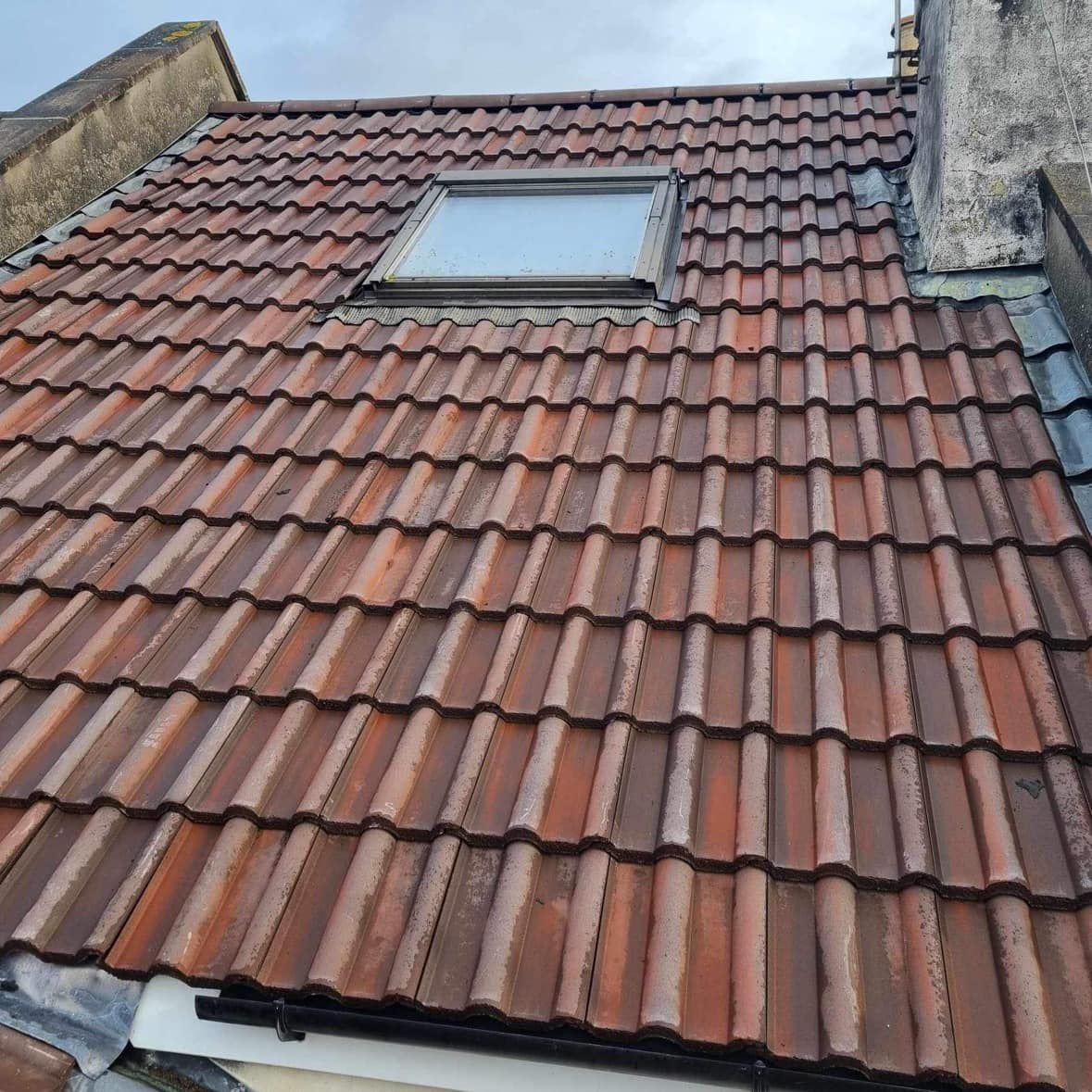
- Profile matching — plain tiles, pantiles, and double roman profiles must match the original roof exactly. We inspect existing tiles before sourcing any replacement material.
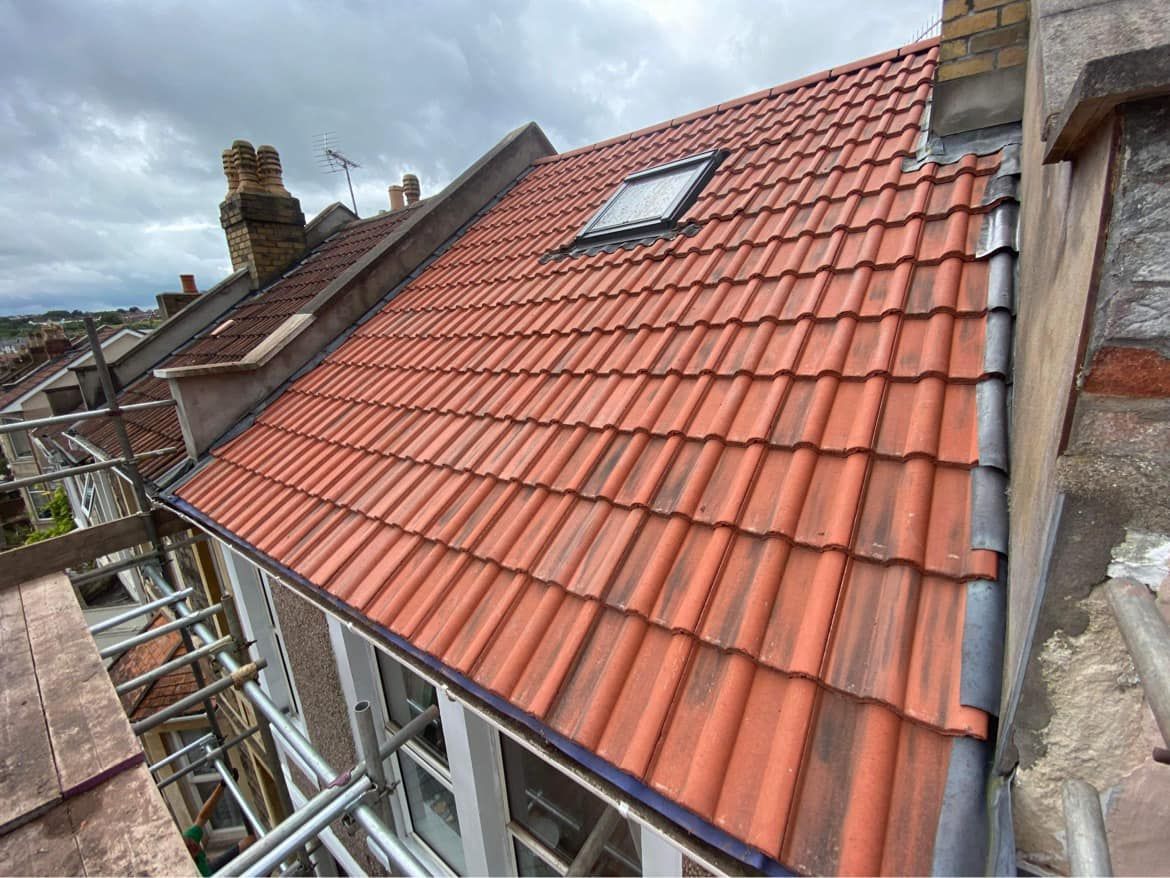
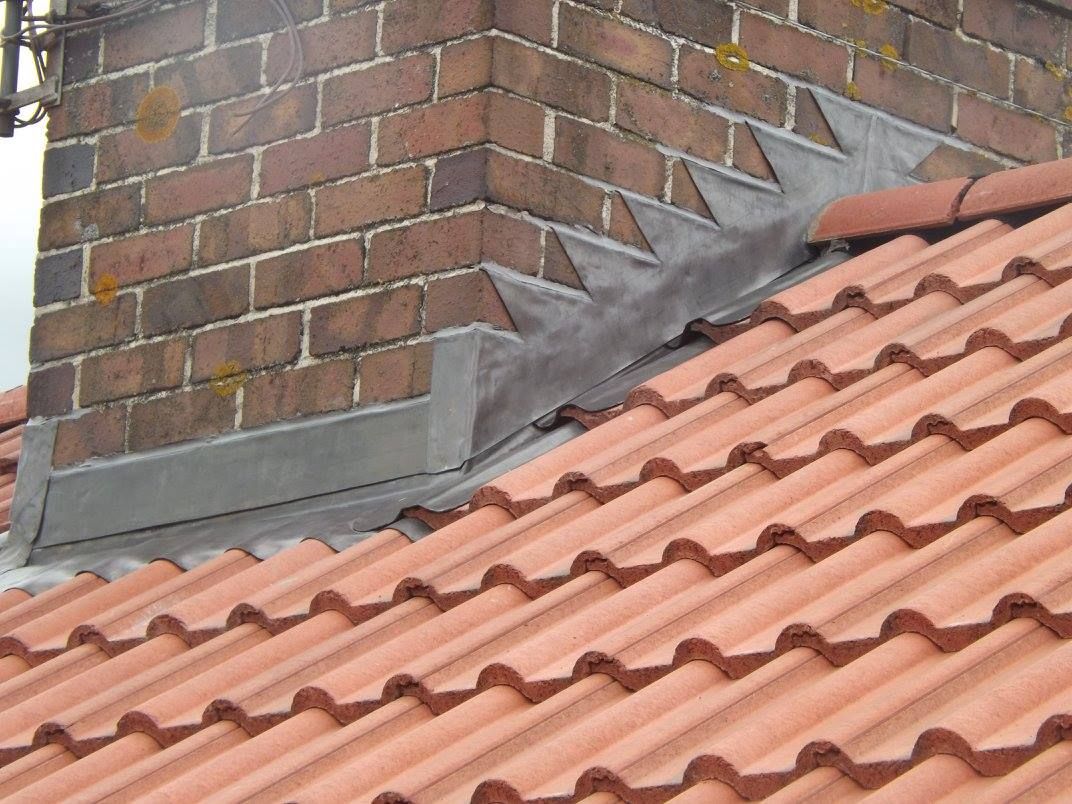
- Lead soakers and flashings — heritage tiling often involves traditional leadwork at abutments and valleys. We carry out lead flashing work to the correct code thicknesses as part of a full heritage re-roof.
If your property is in Mapperley Park, The Park Estate, or any other Nottingham conservation area, speak to us early. We can help you understand what the conservation officer is likely to require before you make any decisions about materials.
For listed buildings, we recommend contacting Nottingham City Council's planning department at the same time as getting a survey from us. Starting both processes together avoids delays.
Free site survey for heritage and conservation area properties: 0115-647-3275
Frequently Asked Questions About Clay Roof Tiling
Do I need planning permission to replace clay roof tiles in Nottingham?
In most cases, no. Like-for-like clay tile replacement on a standard residential property falls under Permitted Development Rights and does not need a planning application. If your home is in a conservation area such as Mapperley Park or The Park Estate, or if it is a listed building, different rules apply — check with Nottingham City Council before starting work.
How long will clay roof tiles last on my Nottingham home?
Clay roof tiles last between 60 and 100 years when correctly installed and maintained. Frost-resistant grades meeting BS EN 1304 are the right choice for Nottinghamshire's climate. Regular inspections every three to five years help catch small problems before they shorten the roof's life.
What is the minimum roof pitch for clay tiles?
Plain clay tiles typically require a minimum pitch of 35 degrees. Some interlocking clay tile profiles allow lower pitches, but this varies by tile and manufacturer. We check the specification for the specific tile before recommending it for your roof.
Can clay tiles be used on my Victorian terrace in Hucknall or Bulwell?
Yes — clay plain tiles are the original roofing material for Victorian and Edwardian terraces across Nottinghamshire. They are the most appropriate choice both aesthetically and practically. We source tiles in profiles and colours that match existing neighbouring roofs where this matters to you.
Do I need building regulations approval to re-roof with clay tiles in Nottingham?
If you are replacing more than 25% of the roof area, a building regulations application is required. This allows a building inspector to check that loft insulation meets current standards. For smaller repairs and individual tile replacements, building regulations approval is not usually needed.
How do I know if my clay tiles need replacing or just repairing?
Individual cracked or slipped tiles can often be replaced without disturbing the rest of the roof. If brittleness is widespread, if the underlay has failed, or if battens are rotting, a full re-roof gives better long-term value. A free site survey from Trust Roofing Services will give you an honest answer — we will always recommend the most practical solution, not the most expensive one.
Ready to Talk About Your Clay Roof?
Clay roof tiling is skilled work. Done correctly, it protects your home for generations. Done poorly, it can cause damage that costs far more to put right.
At Trust Roofing Services, we have been working on roofs across Nottingham and Nottinghamshire for over 15 years. We are a family-run team, fully insured, and NFRC-affiliated. Every job we take on gets the same attention — whether it is a single cracked tile in Beeston or a full heritage re-roof in Mapperley Park.
We do not cut corners. We do not use substandard materials. And we do not walk away until the job is right.
When you call us, you will speak to someone who knows roofing — not a call centre. We will visit your property, give you an honest assessment, and provide a clear written quote with no hidden costs.
Your roof is one of the most important parts of your home. Let us make sure it is in the right hands.
Call Trust Roofing Services today: 0115-647-3275
Free site survey — no obligation — Nottingham and Nottinghamshire covered.
Areas We Cover — Clay Roof Tiling Across Nottingham & Nottinghamshire
Trust Roofing Services carries out clay roof tiling work across Nottingham city and the wider Nottinghamshire region.
We cover all NG postcodes and several bordering areas.
- Nottingham City Centre — NG1
- The Meadows & Lenton — NG2
- Radford & Forest Fields — NG7
- Sherwood & Mapperley — NG3 / NG5
- Bulwell & Bestwood — NG5 / NG6
- Hucknall (our base) — NG15
- Arnold — NG5
- Carlton & Gedling — NG4
- West Bridgford & Edwalton — NG2 / NG12
- Beeston & Chilwell — NG9
- Wollaton & Bilborough — NG8
- Basford & Hyson Green — NG6 / NG7
- Kirkby in Ashfield — NG17
- Sutton in Ashfield — NG17
- Mansfield — NG18 / NG19
- Newark on Trent — NG24
- Eastwood & Kimberley — NG16
- Stapleford & Trowell — NG9 / NG10
Not sure if we cover your area? Call us on 0115-647-3275 and we will confirm straight away.
Let’s talk about your Nottingham Clay Tile Roofing project
Fill out the form, or call us to discuss your requirements
0115-647-3275