Squirrel Problems On A Roof
Squirrel Damage to Roofing Nottingham: What to Do and Who to Call
Grey squirrels are a growing problem for homeowners across Nottingham and Nottinghamshire. Once they find a way into your roof or loft, they can cause serious damage very quickly. Chewed cables, shredded insulation, gnawed lead flashing, and blocked gutters are all common results — and the repair bills can be significant.
At Trust Roofing Services, we deal with squirrel damage to roofing across Nottingham regularly. From Hucknall and Arnold to West Bridgford and Beeston, we see this problem in all types of properties — older Victorian terraces and modern semi-detached homes alike.
This guide explains how squirrels get in, what damage they cause, whether your insurance covers it, and what steps to take. We also explain exactly when you need a roofer and what we can do to repair and protect your roof.
If you already know you have a problem, call us now on 0115-647-3275 for a free roof assessment.
How Much Damage Can Squirrels Do to Your Roof?
Squirrels can cause serious damage to a roof and loft in a short period of time. Here is what we typically see:
- Chewed or worn-away lead flashing at ridge lines and tile edges, leading to leaks
- Gnawed fascia boards and soffit panels used as entry points
- Shredded loft insulation pulled into nests
- Damaged or stripped electrical cable insulation — a fire risk
- Blocked gutters and drains packed with nesting materials
- Weakened roof timbers and joists from sustained gnawing
- Cracked or displaced roof tiles from repeated access
The longer squirrels are left untreated, the worse the roof damage becomes. Repairs become more complex and more expensive over time.
Concerned about squirrel damage on your Nottingham roof? Call: 0115-647-3275.
How Do Squirrels Get Into Roofs in Nottingham?
Squirrels are strong climbers and only need a very small gap to get inside. They use nearby trees as a launch point, jumping directly onto rooflines across Nottinghamshire. Properties close to parkland, woodland edges, or large gardens with mature trees are especially at risk.
In Nottingham, we see squirrel entry most often through:
- Fascia boards and soffit panels — they gnaw through plastic and timber to create openings
- Lead flashing — they wear down the lead at ridge tiles and edges, exposing gaps
- Roof vents and air bricks — plastic vent covers are easily chewed through
- Chimney gaps and around pipe entry points — any small opening is an opportunity
Squirrels are most active from October through to March as they look for warm nesting sites. Spring is another busy period when females seek sheltered spots to raise young. If you have overhanging branches within a few metres of your roofline, your property is at higher risk.
What Are the Signs of Squirrels in Your Roof?
The first thing most Nottingham homeowners notice is noise. Squirrels are active during the day — mostly early morning and late afternoon — so the sounds are usually distinct from rats or mice, which are more active at night.
Sounds to listen for:
- Scratching, scurrying, or thumping in the loft
- Noise concentrated in mornings and evenings
- Occasional high-pitched chattering
Visual signs outside your property:
- Gnaw marks on fascia boards, soffits, or roof timbers
- Brown smear marks near entry points or gaps
- Displaced or damaged roof tiles near the eaves or ridge
- Nest material — leaves, twigs, or strips of insulation — visible in gutters
Signs inside your loft:
- Shredded or pulled-apart insulation in corners
- Droppings — brown, cylindrical, roughly 8mm long (larger than mouse droppings)
- Gnaw marks on cables, pipes, or timber joists
- Smell of urine, particularly in warm weather
- Visible nesting material piled against walls or in corners
If you spot any of these signs, act quickly. The damage escalates the longer squirrels are left in place.
What Damage Can Squirrels Do to a Roof and Loft?
Squirrels have teeth that never stop growing. They gnaw constantly to keep them in check — and your roof gives them plenty of material to work with. Over time, this causes damage across several areas of your roofing system.
Lead flashing damage is one of the most common issues we repair in Nottingham. Squirrels wear down lead at ridge lines and around tile edges, leaving the underlying timber and felt exposed. Rain gets in, and the damage spreads fast.
Fascia and soffit damage is how most squirrels gain entry in the first place. Once inside, they continue to gnaw. We have seen properties in Arnold and Hucknall where squirrels had chewed fascia boards back to bare timber over several months.
Electrical cable damage is where squirrels become a genuine safety risk. They strip the insulation from cables in the loft, leaving bare wire. This is a known cause of loft fires in UK properties.
Roof timber damage builds up slowly. Sustained gnawing on joists and rafters weakens the structure over time. In more serious cases we have carried out a structural assessment before repairs could begin.
Gutter and drainage blockages occur when squirrels pack gutters with nesting materials — leaves, insulation fibres, and twigs. This causes water to back up and overflow, leading to damp on walls and around the roofline.
Call Trust Roofing Services on 0115-647-3275 for a free drone roof survey. We will show you exactly what is happening on your roof before recommending any work.
Are Squirrels in the Roof a Fire Risk?
Yes — and this is the part most homeowners underestimate.
Squirrels gnaw on electrical cables in lofts as a matter of habit. They do not target cables specifically, but loft spaces tend to contain a lot of cable runs and squirrels will work their way along any surface they can reach. Once the protective insulation is stripped from a cable, the exposed wire becomes a genuine fire hazard.
We have visited properties in Nottingham where squirrels had been present for only a few weeks and already caused visible cable damage. In one case near Hucknall, the homeowner had no idea there was a problem until their electrics began to cut out.
If you suspect squirrels have been in your loft, have a qualified electrician check your cabling before any roof repairs begin. Do not assume the wiring is fine just because nothing has gone wrong yet. An exposed cable in a loft full of insulation is a serious risk.
Book an urgent roof assessment — call us now on 0115-647-3275.
Do You Need a Pest Controller, a Roofer, or Both?
The short answer is both — and the order matters.
Step 1: Call a pest controller first. In the UK, it is illegal to release a trapped grey squirrel back into the wild. A licensed pest controller will remove the squirrels from your property legally and safely. Do not attempt to seal entry points while squirrels are still inside — you risk trapping them, which creates a different set of problems.
Step 2: Call us once the squirrels are gone. Once a pest controller confirms the property is clear, Trust Roofing Services can carry out a full roof inspection — including a free drone survey — to identify every entry point and assess the full extent of the damage.
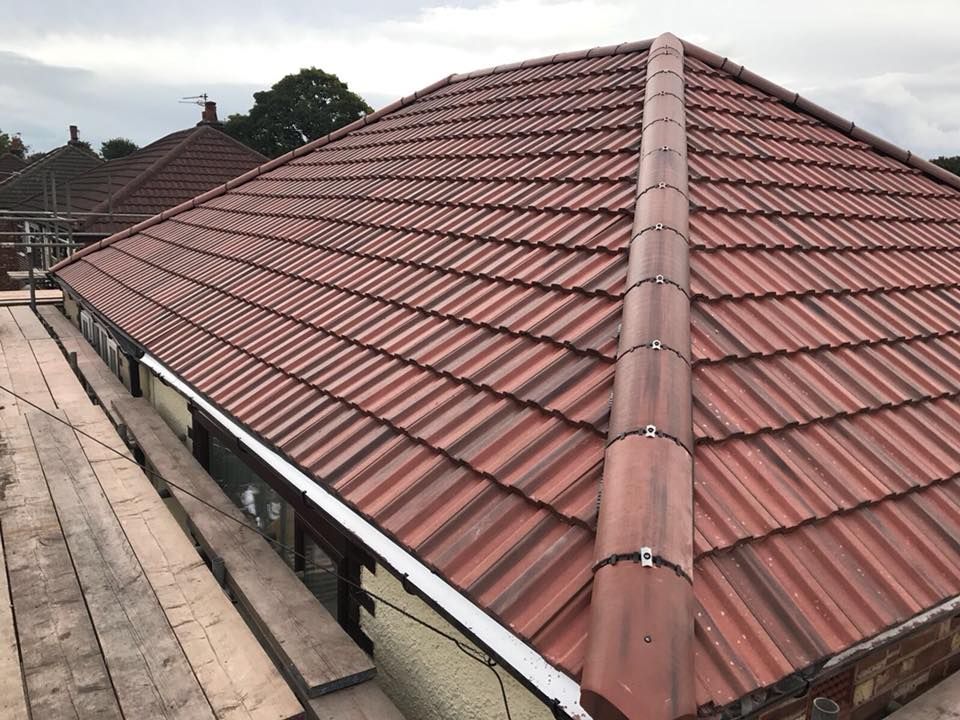
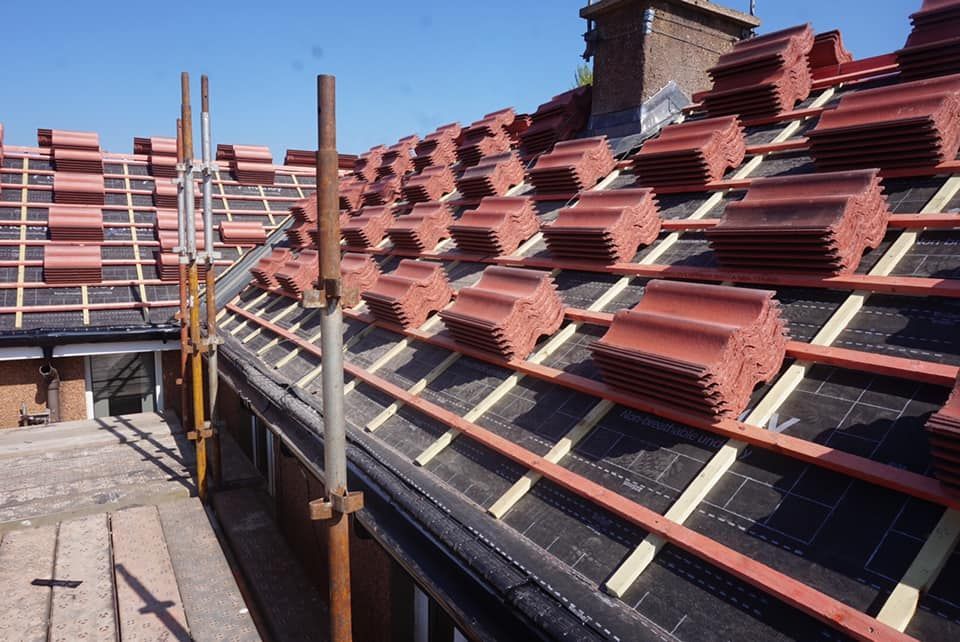
Step 3: We repair the damage and seal the roof properly. This means replacing damaged fascia boards and soffits, repairing or replacing lead flashing, fixing roof tiles, and installing heavy-gauge metal mesh over vulnerable vent and gutter areas. Plastic covers and standard chicken wire are not adequate — squirrels chew through both.
We work alongside pest controllers regularly across Nottingham. If you need a recommendation for a reputable local pest controller, call us and we will point you in the right direction.
How to Stop Squirrels Getting Back Into Your Roof
Removing squirrels is only half the job. If the entry points are not properly sealed and the surrounding areas are not addressed, they will return. Grey squirrels are creatures of habit — they come back to the same nesting sites year after year.
Tree management is the most important first step. Cut back branches to at least 3 metres from your roofline. This removes the launch point squirrels use to access your roof. Properties in Nottinghamshire with large oak, beech, or chestnut trees nearby are at the highest risk.
Proper sealing of entry points means using the right materials. We use heavy-gauge metal mesh with openings no larger than 25mm. This is fixed over vent covers, eaves gaps, and any other entry point we identify. Plastic replacements and chicken wire will not hold.
Fascia and soffit replacement where needed. If existing boards are damaged or compromised, replacing them with new UPVC fascias and soffits removes the weak points squirrels exploit. Our fascias and soffits service covers the full Nottingham area.
Lead flashing repair or replacement. Worn or damaged lead needs to be properly repaired to close the gaps squirrels use. Our team carries out lead work and lead flashing repairs across Nottingham and Nottinghamshire.
Regular roof inspections. We recommend an annual inspection — ideally in early autumn before squirrels begin seeking winter nesting sites. Our free drone roof survey covers the full roofline and gives you a clear picture of any new vulnerabilities before they become access points.
See our roof repair services in Nottingham — or call 0115-647-3275 to book your free survey.
Will Home Insurance Cover Squirrel Roof Damage?
This is one of the most common questions we get — and the honest answer is: it depends on your policy and how you make the claim.
Standard buildings insurance in the UK generally treats pest damage as a maintenance issue. Most policies will not pay for the cost of squirrel removal or the direct repair of damage caused by gnawing. Insurers tend to class this as something the homeowner should have prevented.
However, there are situations where a claim may succeed:
- Storm damage that allowed squirrels access — if a storm displaced tiles or damaged your roof first and squirrels then got in through the resulting gap, the secondary damage may be covered
- Hidden electrical damage that caused a fire — structural fire damage is typically covered under buildings insurance, even if the cause was a squirrel chewing a cable
- Sudden and unexpected water damage — if gnawed pipes caused a flood, the resulting water damage claim may be accepted
What you can do to help your position:
- Document all damage with photographs before any work begins
- Get a written assessment from a professional roofer
- Check whether your policy includes home emergency cover — this sometimes covers removal costs
- Contact your insurer before commissioning repairs to understand what, if anything, is covered
We can provide a clear written report of the damage we identify, which you can use to support an insurance claim if appropriate.
Squirrel Damage Roof Repairs in Nottingham: What We Fix
Trust Roofing Services carries out squirrel damage repairs across Nottingham, Hucknall, Arnold, Beeston, West Bridgford, Carlton, Mansfield, and the wider Nottinghamshire area. We are a local, family-run business with over 15 years of hands-on roofing experience across all property types in the region.
We repair and replace:
- Damaged fascia boards and soffit panels — including full UPVC replacement where needed
- Lead flashing at ridge lines, chimney stacks, and tile junctions
- Roof tiles and slates displaced or damaged during squirrel access
- Felt and underlayment where squirrels have caused tears or moisture entry
- Loft insulation removal and replacement (in partnership with specialist contractors)
- Gutter clearing and repairs where blockages have caused overflow damage
- Metal mesh installation over vents, eaves, and entry points to prevent re-entry
Every job starts with our free drone roof survey. You see exactly what we see — HD aerial footage of your full roofline — before we recommend a single piece of work. There is no pressure, no upselling, and no obligation to proceed.
Our work comes with a 10-year workmanship guarantee. All materials are BBA approved. We never use subcontractors — the team that surveys your roof is the same team that repairs it.
Call us on 0115-647-3275 or contact us online for your free roof survey.
Frequently Asked Questions About Squirrel Damage to Roofing
How do I know if squirrels have damaged my roof?
The most common signs are scratching or scurrying noises in the loft during the day, visible gnaw marks on fascia boards or soffits, damaged or displaced tiles near the eaves, and shredded insulation or droppings in the loft space. If you are unsure, call us for a free drone roof survey — we will show you exactly what is on your roof.
Can squirrels get through roof tiles?
Squirrels rarely lift or break tiles directly. They tend to exploit existing gaps — around ridge tiles, at the eaves where the roofline meets the fascia, through vent covers, or at any point where mortar has cracked or failed. Once inside, they can displace tiles from below. A free drone survey will identify any vulnerable areas before they become entry points.
Do I need to remove the squirrels before getting my roof repaired?
Yes. You should always have a licensed pest controller clear the property before sealing entry points or carrying out repairs. Sealing a roof with squirrels still inside creates further problems and is not a solution. Once you have confirmation the property is clear, call us and we will proceed with the survey and repair.
Can squirrels chew through lead flashing?
Grey squirrels wear down lead rather than bite through it cleanly. Their teeth file the lead at ridge lines and around tile edges, gradually thinning it until gaps appear. This is a common issue on older Nottinghamshire properties where lead flashing has not been inspected in some time. Our team carries out lead flashing repairs and replacements across the area.
Is squirrel roof damage covered by home insurance in the UK?
Most standard buildings insurance policies do not cover gradual pest damage. However, if the damage led to a sudden event — such as a fire from a chewed cable, or a flood from a gnawed pipe — the resulting structural damage may be covered. We can provide a written damage report to support your insurer.
How much does it cost to repair squirrel damage to a roof?
The cost depends on the extent of the damage, the materials affected, and how long the squirrels have been present. Minor repairs to fascia boards or lead flashing can be straightforward. More extensive damage involving roof timbers, full soffit replacement, or structural assessment adds to the scope. We provide written, fixed-price quotes with no hidden costs. Call us on 0115-647-3275 for a free drone survey and honest assessment.
Why choose Trust Roofing Services for squirrel damage repairs in Nottingham?
We are a local, family-run roofing business based in Hucknall, NG15. We have been repairing roofs across Nottingham and Nottinghamshire for over 15 years. We offer a free drone roof survey so you see exactly what needs doing before you commit to anything. Our work is backed by a 10-year workmanship guarantee, and we never use subcontractors.
Call
0115-647-3275 for your free survey.
Let’s talk about your squirrel roofing project
Fill out the form on the right, or call us on
0115-647-3275 to arrange a FREE quote.