Roofing Types in Nottingham: A Complete Guide for Homeowners (2026)
Nottingham homes come in all shapes, sizes, and ages — from Victorian terraces in The Meadows to 1930s semis in Arnold and modern builds in West Bridgford. Each era of housing tends to use different roofing materials, and each material has different strengths, lifespans, and maintenance needs.
At Trust Roofing Services, we work across all NG postcodes every week. We see every roofing type in Nottingham — what holds up well, what fails early, and what the local weather does to each material over time. This guide gives you straight, practical information on the most common roofing types found on Nottingham properties, how to compare them, and how to know when it's time to call a roofer.
If you want an expert eye on your own roof before you read any further, we offer a free drone roof survey with no obligation. Call us on 0115-647-3275 or get a free quote here: https://www.roofersnottinghamgrp.co.uk/contact
The Most Common Roofing Types Found on Nottingham Homes
Nottingham's housing stock spans several centuries. That means you'll find a wide mix of roofing types across the city and surrounding areas.
The most common roofing types we work on across Nottingham include:
- Concrete or clay roof tiles — found on most post-war and new-build homes across Arnold, Carlton, and Mapperley
- Natural slate — typical on Victorian and Edwardian terraces in areas like Sherwood and The Meadows
- Artificial (synthetic) slate — increasingly used on re-roofs where natural slate is too heavy or expensive
- EPDM rubber flat roofing — standard on extensions, bay windows, garages, and flat-roofed additions
- GRP fibreglass flat roofing — a modern, seamless flat roof system growing in popularity across Nottinghamshire
- Felt flat roofing — the traditional budget option, still widely used on older flat roof areas
- Lead flashings — not a roof in themselves, but lead work around chimneys, valleys, and abutments is part of every well-maintained roof
Most Nottingham homes have a pitched roof as the main structure and a flat roof element somewhere — a garage, bay window, or rear extension. Both need different maintenance approaches and materials.
If you're not sure what type of roof you have or what condition it's in, our free drone survey gives you a clear picture before any decisions are made. Book yours here: https://www.roofersnottinghamgrp.co.uk/contact
Flat Roof vs Pitched Roof — Which Is Better for Your Property?
The answer depends on the part of the building you're dealing with. For most Nottingham homes, the main roof structure is pitched and the flat roof appears on extensions, garages, and bays.
Pitched roofs have a slope — usually a gable or hip design. They drain water away naturally and tend to last longer with less maintenance. A well-laid slate or tile roof on a Nottingham home can last many decades before needing a full replacement.
Flat roofs are not completely level — they carry a slight fall for drainage. They cost less to install on smaller areas like garages or extensions. The key is the material used: a well-installed EPDM or GRP flat roof performs very differently from old felt that's past its best.
Pitched Roof vs Flat Roof at a Glance:
- Pitched Roof — Typical use: main house structure. Excellent drainage in heavy rain. Higher initial cost. Long lifespan with proper maintenance.
- Flat Roof — Typical use: garages, extensions, bays. Lower upfront cost on small areas. Lifespan varies by material. Needs correct fall and drainage.
If you're replacing a flat roof on a Nottingham property, the material choice matters more than almost anything else. We cover that in the next section.
See our flat roofing options for Nottingham homes: https://www.roofersnottinghamgrp.co.uk/flat-roof-nottingham
EPDM, GRP or Felt — Choosing the Right Flat Roof Material in Nottingham
This is one of the questions we get asked most often across Nottingham. All three materials work, but they perform very differently over time — especially in the East Midlands climate, where temperature swings between seasons put real stress on flat roof coverings.
EPDM Rubber Roofing
EPDM (Ethylene Propylene Diene Monomer) is a rubber membrane. We install it as a single sheet across the roof with no joins or seams on most domestic sizes. It flexes with the building as temperatures change, which is exactly what Nottingham winters and summers demand from a flat roof.
We use Firestone EPDM — a BBA-approved product that carries a 20-year guarantee. It's the system we recommend for most Nottingham garages, extensions, and bay windows where long-term reliability matters.
- Flexible — handles temperature changes well
- Single-sheet application means no join failures
- Low maintenance once fitted
- 20-year guarantee with Firestone materials
Find out more about our EPDM rubber roofing service: https://www.roofersnottinghamgrp.co.uk/rubber-roofing-nottingham
GRP Fibreglass Roofing
GRP (glass-reinforced plastic) creates a hard, seamless, fully bonded surface. It's rigid rather than flexible. That makes it an excellent choice for flat roofs with foot traffic — balconies, walkways, or accessible rooftop areas.
We use GRP systems that carry a 25-year guarantee and come in a range of finishes. The seamless surface eliminates the most common flat roof failure point — joint and seam separation.
- Rigid, seamless finish
- Handles foot traffic well
- 25-year guarantee
- Works on garages, extensions, and balconies
See our GRP fibreglass roofing options: https://www.roofersnottinghamgrp.co.uk/fibreglass-roof-nottingham
Felt Flat Roofing
Felt is the traditional flat roof material and it still has a place. It's the most cost-effective option upfront and works well on smaller areas like porches or outbuildings where budget is the priority. We use high-quality felt laid in layers, not cheap single-layer material.
The honest trade-off is lifespan. A good quality felt flat roof typically lasts considerably less time than EPDM or GRP before needing replacement. If you're replacing a flat roof on a Nottingham home you plan to stay in long-term, we'll usually recommend upgrading to EPDM or GRP.
- Lower upfront cost
- Suitable for smaller, lower-priority areas
- Shorter lifespan than modern systems
- Requires more regular inspection
How Long Do Different Roofing Types Last in Nottingham?
Lifespan varies depending on the material, how well it was fitted, and how the Nottingham climate treats it year to year.
Here's a practical overview based on what we see working across NG postcodes:
- Natural slate — 75 years or more. Low maintenance. Occasional repairs to individual slates.
- Clay tiles — 60 to 100 years. Low maintenance. Check ridge tiles and valleys periodically.
- Concrete tiles — 40 to 60 years. Moderate maintenance. Prone to moss and surface weathering.
- Artificial slate — 30 to 40 years. Low to moderate maintenance.
- EPDM rubber flat roof — 20 to 30 years. Low maintenance. Annual inspection advised.
- GRP fibreglass flat roof — 25 years or more. Very low maintenance.
- Felt flat roofing — lifespan varies by quality and installation. Moderate maintenance. Inspect every couple of years.
- Lead flashings — 50 to 100 years when correctly installed. Low maintenance.
A note on Nottingham conditions: moss and algae growth is common across the region, particularly on north-facing pitched roofs in areas like Bulwell, Hucknall, and Mapperley where shade is a factor. It doesn't shorten a roof's life dramatically on its own, but it can trap moisture against tiles over time. We offer roof cleaning and moss removal services to keep your roof performing between larger jobs: https://www.roofersnottinghamgrp.co.uk/roof-cleaning-nottingham
For properties with solar panels in mind, both slate and GRP fibreglass can be combined with solar installations. We are qualified to advise on this across Nottinghamshire.
Pitched Roof Materials — Tiles, Slate, and What Works on Nottingham Homes
The material on your pitched roof affects everything from appearance and planning considerations to how well it holds up to wind and rain. Here's how the main options compare for Nottingham properties.
Concrete Roof Tiles
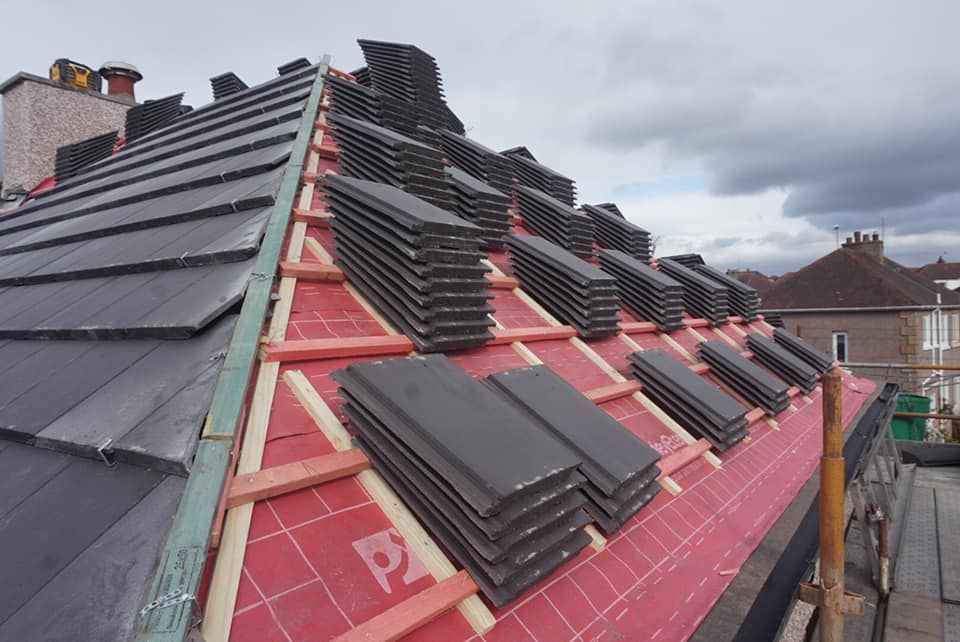
Concrete tiles are the most common choice on post-war housing across Nottingham — you'll see them on semi-detached homes throughout Arnold, Carlton, and Beeston. They're cost-effective, widely available, and straightforward to replace when individual tiles break or slip.
Over time, the surface of concrete tiles weathers and becomes more porous. Moss and algae colonise more readily on older concrete tiles than on clay or slate. A periodic clean and inspection keeps them performing well.
Clay Roof Tiles
Clay tiles are found on older Nottingham properties and are popular on new builds where homeowners want a traditional, warm appearance. They last considerably longer than concrete and hold their colour better. Clay is a common choice when re-roofing a Victorian or Edwardian property where the original material has reached the end of its life.
Natural Slate
Natural slate is the material of choice on Nottingham's older Victorian and Edwardian housing — particularly in areas like Sherwood, West Bridgford, and Wollaton. A well-maintained natural slate roof is one of the longest-lasting systems available. Individual slates can be replaced as they crack or slip without disturbing the rest of the roof.
When replacing an original natural slate roof, we always discuss whether to re-use salvageable slates, use new natural slate, or move to a high-quality artificial alternative depending on your budget and the property's character.
Artificial Slate
Artificial slate tiles mimic the appearance of natural slate at a lower cost and lighter weight. They're a practical choice for Nottingham homes where the original natural slate is failing but you want to keep the visual character of the property. Many products come with strong manufacturer warranties.
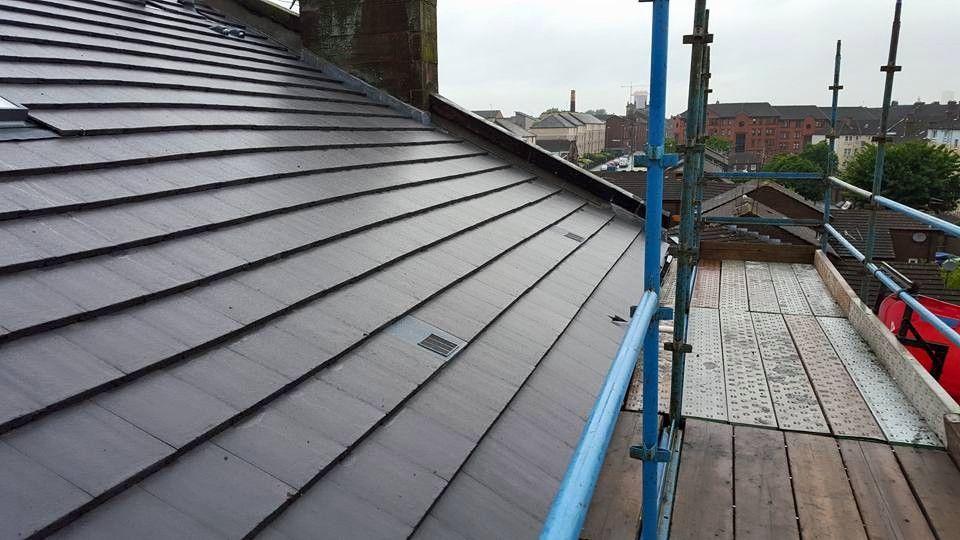
Dry Ridge and Dry Verge Systems — The Modern Fix for Nottingham Homes
This is a topic most homeowners don't know about — but it's one of the most common sources of roof failure we see across Nottingham.
What Is a Dry Ridge System?
Traditional ridge tiles (the tiles running along the very top of your roof) were bedded in mortar. Over time — often after ten to fifteen years — that mortar cracks, loosens, and lets water in. You may not notice until a damp patch appears in the ceiling.
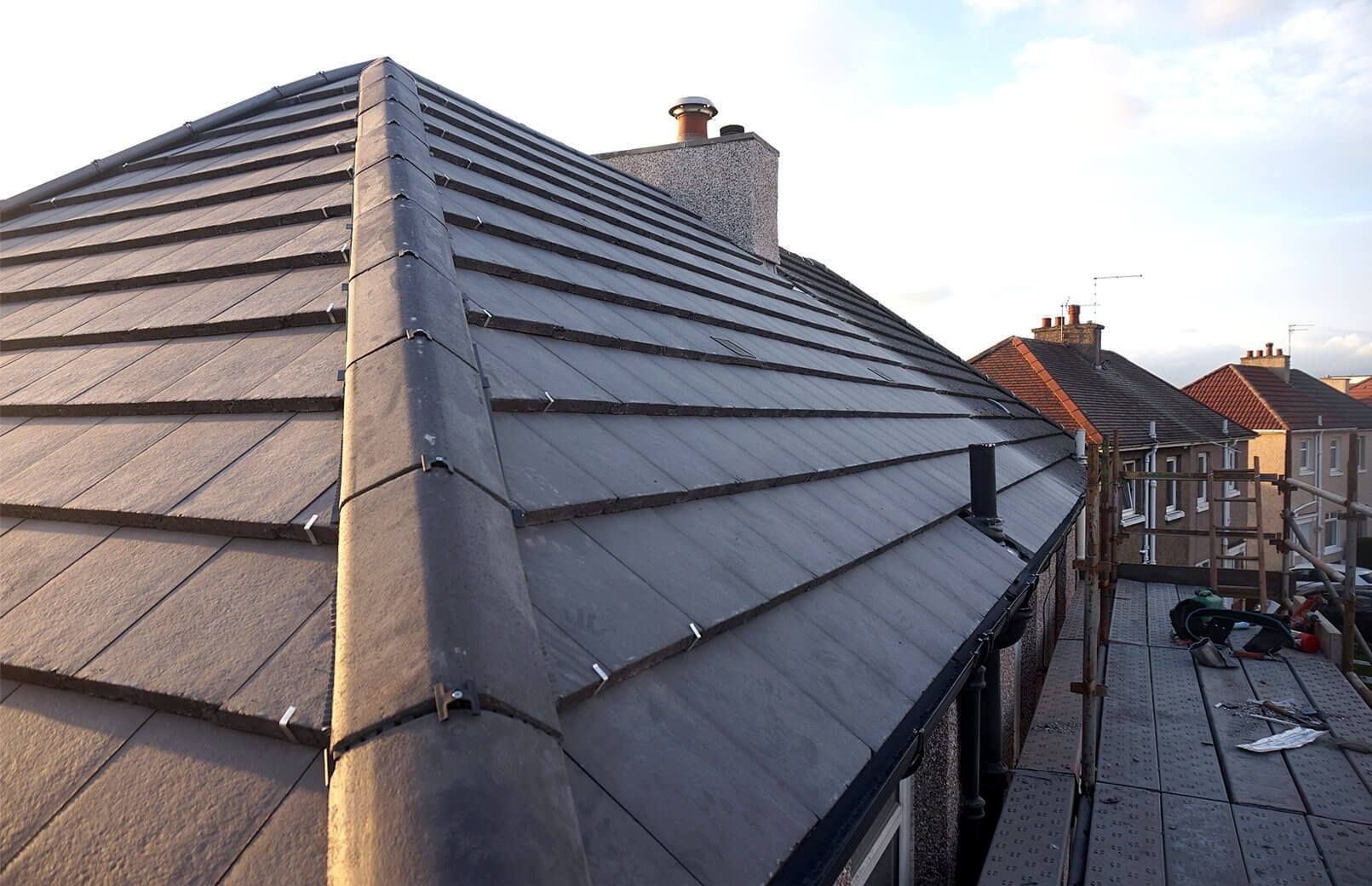
A dry ridge system replaces the mortar with a mechanical fixing. The ridge tiles clip onto a continuous batten secured to the roof, creating a weatherproof seal without mortar. It won't crack, it won't wash away, and it doesn't need re-bedding.
We fit dry ridge systems across Nottingham as a standalone upgrade or as part of a full re-roof. It's a long-term fix for a very common problem.
Find out more about dry ridge installation: https://www.roofersnottinghamgrp.co.uk/dry-ridge-system
What Is a Dry Verge System?
The verge is the edge of your roof where it meets the gable end wall. Traditionally finished in mortar, verge areas are another common failure point — particularly after the freeze-thaw cycles Nottingham regularly experiences in winter.
A dry verge system uses interlocking plastic caps that fit over the edge tiles. They're secured mechanically, resist wind uplift, and need no maintenance. They also give a clean, consistent appearance to the roofline.
We fit dry verge systems to all tile types across Nottingham homes, and they're worth considering any time you're having other roof work done.
Find out more about dry verge installation: https://www.roofersnottinghamgrp.co.uk/dry-verge-system
How Much Does a New Roof Cost in Nottingham in 2025?
Roofing costs vary depending on the type of roof, the material chosen, the size of the property, and the access required.
Here's how costs are typically structured.
For pitched roofs (full re-roof on an average Nottingham semi-detached):
- Concrete tile re-roof — generally mid-range in cost
- Natural slate re-roof — higher due to material cost and the skill involved
- Artificial slate re-roof — typically between the two
For flat roofs (garage, extension, or bay window):
- Felt — lowest upfront cost, shorter lifespan
- EPDM rubber — mid-range, 20-year guarantee
- GRP fibreglass — mid to upper range, 25-year guarantee
What affects your final price:
- Size of the roof area in square metres
- Pitch and complexity of the roof shape
- Whether scaffolding is needed — it usually is for safety
- Access to the property — tight driveways or enclosed gardens add time
- Condition of the underlying structure — if timbers need repair, that adds cost
The most reliable way to get an accurate figure for your Nottingham home is a proper survey before any quote is given. We offer a free drone roof survey that shows us exactly what we're dealing with — before we give you a written, fixed-price quote with no hidden costs.
Get a free roofing quote in Nottingham: https://www.roofersnottinghamgrp.co.uk/contact
Do You Need Planning Permission to Replace Your Roof in Nottingham?
For most Nottingham homeowners, the answer is no — but there are exceptions worth knowing.
You generally don't need planning permission when:
- You're replacing like for like — same material, same shape, same pitch
- The work is on a standard residential property
- The replacement doesn't increase the roof height or project more than 150mm from the existing slope
You may need permission if:
- Your property is in a conservation area — several parts of Nottingham city centre and surrounding villages carry these designations
- Your property is a listed building
- You're changing the shape or height of the roof
- You're adding a dormer or significantly altering the roofline
We work on properties across all NG postcodes and can advise you before we start. If there's any question about your specific property, we'll recommend you check with Nottingham City Council or the relevant district council before work begins.
Using a qualified roofer who follows NFRC guidelines means the work will meet building regulation standards without the need for council sign-off on straightforward replacements.
Call us on 0115-647-3275 to discuss your roof and any planning considerations: https://www.roofersnottinghamgrp.co.uk/contact
Signs Your Nottingham Roof Needs Replacing — Not Just Repairing
Repairs make sense when the underlying structure is sound and the damage is isolated. Replacement makes more sense when you're spending repeatedly on the same problem, or when the material has simply reached the end of its life.
Signs it's time to think about replacement:
- Age of the roof — concrete tiles past 40 to 50 years, felt flat roofs that are long overdue, or a roof that hasn't been touched since the house was built
- Multiple leaks in different areas — isolated leaks can be repaired, but leaks appearing in several places at once usually mean widespread failure
- Sagging or uneven roofline — this points to structural issues beneath the tiles or membrane
- Moss that keeps coming back — persistent moss growth, especially on the north side, can indicate tiles are becoming porous and holding water
- Repeated repair bills — if you've had the same section looked at two or three times in a few years, the cost of another repair is often better spent on replacement
- Your surveyor flagged it — if a home buyer's survey or a previous inspection has noted the roof, it's worth a professional assessment before problems escalate
A note from our experience: we see many Nottingham homeowners who have paid for several patch repairs over a number of years. When we survey the roof, it's often clear that earlier replacement would have been more cost-effective overall. An honest assessment upfront saves money in the long run.
Book a free roof inspection in Nottingham: https://www.roofersnottinghamgrp.co.uk/roof-survey
Are There Energy-Efficient or Eco-Friendly Roofing Options for Nottingham Homes?
More Nottingham homeowners are thinking about energy performance when replacing or upgrading their roof. There are several practical options worth considering.
Roof insulation: any roof replacement is a good opportunity to improve your insulation. Cold roof and warm roof configurations are available for flat roofs, and loft insulation combined with a re-roof on pitched roofs can improve your home's energy rating.
Solar-compatible roofing: we are qualified to advise on solar panel installation across Nottinghamshire. Both pitched tile or slate roofs and flat GRP or single-ply commercial roofs can be designed to accommodate solar panels. If you're planning solar in the future, it's worth factoring that in when choosing your roofing system now.
EPDM rubber: Firestone EPDM is an environmentally considered material. It has a long lifespan that reduces the frequency of replacement and the associated material waste, and it is a recyclable product at end of life.
Commercial green roofs: for business premises across Nottinghamshire, we design and install extensive and intensive green roof systems. These reduce stormwater runoff, improve insulation, and contribute to biodiversity and planning requirements.
Speak to us about the options that make sense for your property type and budget. We'll give you a straight answer on what's realistic.
Call Trust Roofing Services on 0115-647-3275 to discuss your options: https://www.roofersnottinghamgrp.co.uk/contact
Choosing a Roofing Contractor in Nottingham — What to Look For
There are a lot of roofers operating across Nottingham and Nottinghamshire. Here's what to look for before you hire anyone.
Check their insurance. Any roofing contractor working on your home should carry public liability insurance and employer's liability insurance. Ask for it in writing before work begins.
Ask about subcontractors. Some companies quote the job and then send a subcontracted crew you've never met. At Trust Roofing Services, every job is completed by our own directly employed team — no exceptions, ever.
Get a written quote. A verbal estimate is not a quote. Your written quote should itemise the work, the materials, and the cost. Ours are fixed-price — no surprise invoices at the end.
Look at real reviews. Read what previous customers in Nottingham say, particularly about communication, punctuality, and how the team left the site after finishing.
Ask what guarantee they offer. We provide a 10-year workmanship guarantee on all our roofing work, on top of the manufacturers' material warranties.
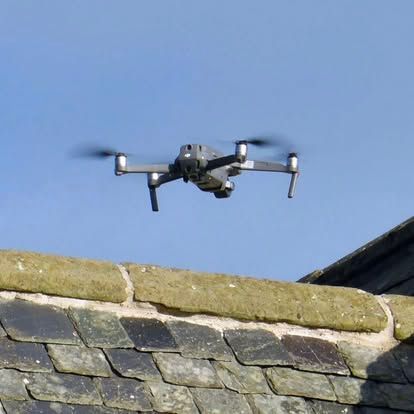
Use the free drone survey. No other roofer in Nottingham currently offers a free CAA-registered drone survey as standard. It means you see exactly what's on your roof before anyone quotes you — and before you spend a penny.
Find out more about why Nottingham homeowners choose Trust Roofing Services: https://www.roofersnottinghamgrp.co.uk/about-trust-roofing-services
Frequently Asked Questions — Roofing Types in Nottingham
What are the most common roofing types in Nottingham?
The most common roofing types across Nottingham are concrete or clay roof tiles on pitched roofs, and EPDM rubber or felt on flat roof areas like garages and extensions. Natural and artificial slate are common on Victorian and Edwardian properties in areas like Sherwood, West Bridgford, and The Meadows.
Is EPDM rubber roofing better than felt for a flat roof in Nottingham?
EPDM rubber roofing generally outperforms felt in terms of lifespan and weather resistance, particularly given Nottingham's temperature swings between seasons. Felt is the lower upfront cost option, but EPDM carries a 20-year guarantee and requires far less maintenance over time.
How long does a slate roof last in Nottingham?
A natural slate roof, properly maintained, can last 75 years or more. Individual slates can be replaced as they crack or slip without a full re-roof. Artificial slate typically lasts 30 to 40 years depending on the product.
Do I need planning permission to replace my roof in Nottingham?
Most like-for-like roof replacements on standard residential properties in Nottingham do not require planning permission. Exceptions include listed buildings, properties in conservation areas, and changes that alter the roofline. We can advise you on your specific property before work starts.
What is a dry ridge system and do I need one?
A dry ridge system replaces traditional mortar-bedded ridge tiles with a mechanical fixing that won't crack or wash away over time. It's the modern standard for ridge tile installation and we recommend it on any new roof or re-roof across Nottingham.
How much does a new roof cost in Nottingham?
Roofing costs vary depending on the size, material, pitch, and access involved. Rather than publish a figure that may not reflect your property, we provide a free written quote following a free drone survey. This gives you an accurate, fixed price before you commit to anything. Get a free quote here: https://www.roofersnottinghamgrp.co.uk/contact
How do I know if my roof needs replacing or just repairing?
Signs that point toward replacement include age, leaks appearing in multiple areas, a sagging roofline, persistent moss, or repeated repair costs on the same area. Our free drone roof survey gives you an honest assessment of what's genuinely needed — we'll never recommend more work than your roof actually requires.
Ready to Get Your Roof Sorted? Call Trust Roofing Services
Whether you need a full roof replacement, a flat roof upgrade, or simply want to know what condition your roof is in, we're here to help.
Trust Roofing Services Harrow Rd, Hucknall, Nottingham NG15 6JD Phone: 0115-647-3275
Serving all NG postcodes including Arnold, Beeston, West Bridgford, Carlton, Mapperley, Wollaton, Long Eaton, Mansfield, and the wider Nottinghamshire area.
- Free drone roof survey — no obligation
- Free written, fixed-price quote
- 10-year workmanship guarantee
- No subcontractors — ever
Get your free roofing quote in Nottingham: https://www.roofersnottinghamgrp.co.uk/contact
Fill out the form on the right, or call us on
0115-647-3275 to arrange a FREE quote.