Green Roof Installation in Nottingham | Living Roofs
- FREE Drone Survey
- Free Quote
- BBA-Approved Materials.
Eco-Friendly Living Roofs Built to Last
A green roof turns unused space above an extension, garage or garden office into something that manages rainwater, insulates the room below it and gives the property a genuinely different look from an upstairs window or the garden. We install both extensive sedum systems and deeper, plant-rich intensive roof gardens across Nottingham and Nottinghamshire, working from a free drone survey through to a finished, planted roof backed by a written guarantee.
Whether you're adding a green roof to a new rear extension or replacing a tired felt roof on an existing flat structure, we'll tell you plainly which system suits the roof you actually have rather than the one that's easiest to sell you.
Choosing the Right Green Roof System for Your Property
Not every green roof is the same. The system you choose depends on your roof structure, how much maintenance you want, and what you want the roof to look like. We fit all the main system types across Nottingham and Nottinghamshire.
Extensive Green Roofs — Sedum & Low-Maintenance Systems
Extensive green roofs are the most popular choice for domestic properties. They use a shallow growing medium — typically 80 to 150mm deep — and are planted with sedum, moss, or low-growing grasses. They are lightweight, which means most flat roofs can take them without structural work.
Sedum is particularly well suited to Nottingham rooftops. It handles our dry East Midlands summers without irrigation and shrugs off winter frosts without damage. Sedum roofs change colour through the seasons and attract pollinators throughout summer.
Intensive Green Roofs — Roof Gardens & Larger Planting
Intensive green roofs carry a deeper soil layer and support a much wider range of plants — shrubs, grasses, perennials, and even small trees. Some intensive roofs are designed as usable outdoor spaces. These systems are heavier and need a stronger deck — reinforced concrete is typical. They are more common on commercial buildings and larger residential projects.
Semi-Intensive Green Roofs — The Middle Ground
Semi-intensive green roofs sit between the two. They give you more plant variety than a sedum system but without the structural demands of a full intensive roof. They suit homeowners who want a more varied look without high-maintenance upkeep.
Modular Tray Systems — Practical & Flexible
We also install modular tray systems. Pre-grown trays click together on the deck and can be lifted individually if the membrane needs inspecting later. They are a popular option for garden offices and extensions in Beeston and West Bridgford — lightweight, low-maintenance, and genuinely attractive from day one.
Wildflower Roofs — Maximum Biodiversity
Wildflower roofs are growing in popularity across Nottinghamshire. They support a wide range of native plants and are outstanding for local biodiversity. They need an annual cut-back but deliver a stunning, seasonal display of colour.
What Happens Before Green Roof Installation Begins
Good preparation is what separates a green roof that lasts from one that causes problems. We follow a clear, step-by-step process before any planting material touches your roof.
- Structural survey — We confirm the load-bearing capacity of your roof deck. For an extensive system, we check the structure can handle the saturated weight of the growing medium.
- Membrane inspection or replacement — We inspect the existing waterproof layer. If it is worn, we fit a new EPDM rubber or single-ply membrane. A sound membrane is non-negotiable.
- Root barrier — A root barrier sheet is fixed across the entire deck surface, stopping plant roots from penetrating the waterproofing layer over time.
- Drainage design — Nottinghamshire receives regular rainfall throughout the year. We design the drainage layer to handle heavy downpours without waterlogging the growing medium or blocking the outlets. This is a Sustainable Drainage System (SuDS) approach — recognised and encouraged by local planning authorities.
- Edge retention — We fit edge retention trims around the roof perimeter. These keep the growing medium and vegetation in place and give the finished roof a clean, professional edge.
- Materials delivery — Green roof materials arrive on pallets. We plan delivery and access in advance so materials reach the roof safely and without disruption to your property or neighbours.
Call 0115-647-3275 to book your free survey and get a clear installation timeline before any work is agreed.
How Green Roof Installation Works — Our Step-by-Step Process
Once preparation is complete, the installation itself moves quickly. A standard domestic green roof on a flat-roofed extension or garden office in Nottingham is typically completed within one to two days. Here is the exact process we follow on every job.
Step 1 — Waterproof Membrane: We confirm the membrane is sound, or fit a new EPDM rubber membrane if required. Everything above this layer depends on getting this right.
Step 2 — Root Barrier: A root protection sheet is laid across the full deck area. It prevents root penetration without restricting drainage.
Step 3 — Drainage Layer: An HDPE drainage board goes down next. Small cups or cavities hold a water reserve for dry periods. Excess water drains through perforations into the outlet below.
Step 4 — Filter Fleece: A geotextile filter layer sits on top of the drainage board. It stops fine particles from the growing medium washing down and blocking drainage over time.
Step 5 — Growing Medium: We spread the growing substrate to the correct depth. For sedum systems, a minimum of 80mm is needed. We use a lightweight engineered growing medium — not standard garden soil — designed specifically for rooftop conditions.
Step 6 — Vegetation: We install using the method that suits your system:
- Sedum blanket — a pre-grown mat that delivers instant green coverage from day one
- Plug plants — individual plants bedded by hand into the substrate for a more varied result
- Seed mix — applied by hand for a natural, gradual growth pattern, popular for wildflower roofs
Step 7 — Final Checks and Handover: Edge trims are confirmed secure. Outlets are checked clear. We clean the site, remove all waste, and walk you through the establishment care your roof needs in the first weeks. We are happy to show proof of insurance before any work begins.
Planning Permission and Building Regulations for Green Roofs in Nottingham
Most green roof installations on existing homes in Nottingham do not need planning permission. Retrofitting a living roof on a flat-roofed extension or outbuilding is generally treated as permitted development.
There are some situations where you should check with Nottingham City Council first:
- Your property is in a conservation area — parts of the Lace Market, the Park Estate, and other historic areas of Nottingham have additional controls
- Your property is a listed building
- The installation forms part of a larger extension or new build project
Building regulations are a separate matter. There are no building regulations written specifically for green roofs, but issues around load capacity, drainage, and fire performance can bring your project into scope. If we spot any of these concerns during our survey, we flag them before work starts.
Insurers and Mortgage Providers
You must inform your building's insurer before installation. The extra weight on the roof is a material change to the building structure. In most cases this makes no difference to your premium, but your insurer needs to know. Check with your mortgage provider too if you own rather than rent.
Biodiversity Net Gain (BNG)
BNG became a legal requirement in England in 2024 for most new development projects. If your project is a new build or significant extension, a green roof can contribute directly to your BNG score. We can discuss this as part of your free survey.
We follow the GRO Green Roof Code of Best Practice on every installation — the recognised UK industry standard for design, installation, and maintenance of green roofs.
Keeping Your Green Roof Healthy Year After Year
A well-installed green roof needs very little work to stay healthy. The right system choice at the start makes maintenance straightforward.
Sedum Roofs — Lowest Maintenance
In the first few weeks after installation, water lightly during any dry spell to help the plants bed in. After that, sedum looks after itself through normal Nottinghamshire weather.
We recommend:
- A light weed check twice a year — spring and autumn
- Slow-release fertiliser applied every two years
- Annual drainage outlet inspection to keep water flowing freely
Wildflower and Semi-Intensive Roofs
These need a little more attention. An annual cut-back in late winter keeps plants healthy and prevents vigorous species crowding out others. Drainage checks remain important after heavy rain.
Signs Something Needs Attention
- Bare or brown patches that do not recover after rain
- Standing water that does not clear within 48 hours
- Blocked or slow drainage outlets
- Visible damage to edge trims after strong winds
A green roof also protects the waterproof membrane from UV damage and freeze-thaw stress, often extending its working life well beyond that of an exposed traditional flat roof.
We offer annual roof maintenance checks across Nottinghamshire. If you want us to include your green roof in a scheduled visit, call us on 0115-647-3275.
Areas We Cover for Green Roof Installation
Trust Roofing Services fits green roofs across Nottingham city and throughout Nottinghamshire. If you are not sure whether we cover your area, call us on 0115-647-3275 and we will confirm straight away.
Nottingham City Areas
- Nottingham City Centre — NG1
- Hucknall — NG15 (our base)
- Arnold — NG5
- Carlton — NG4
- Sherwood — NG5
- Bestwood — NG5
- Bulwell — NG6
- Hyson Green — NG7
- Radford — NG7
- Forest Fields — NG7
- Lenton — NG7
- Beeston — NG9
- West Bridgford — NG2
- Wollaton — NG8
- Clifton — NG11
Greater Nottinghamshire
- Mapperley — NG3
- Gedling — NG4
- Netherfield — NG4
- Long Eaton — NG10
- Stapleford — NG9
- Ruddington — NG11
- Kirkby in Ashfield — NG17
- Sutton in Ashfield — NG17
- Mansfield — NG18 / NG19
- Newark-on-Trent — NG24
- Eastwood — NG16
- Heanor — DE75
- Ilkeston — DE7
Not sure if we cover your postcode? Call 0115-647-3275 and we will confirm.
Ready to Book Your Green Roof Installation in Nottingham?
If you are thinking about a green roof for your home, extension, garden office, or commercial property in Nottinghamshire — now is a great time to get started. Green roofs are a long-term investment that pays back through lower energy bills, a longer-lasting roof, improved biodiversity, and a property that stands out.
At Trust Roofing Services, we make the process simple:
- Free drone roof survey — we assess your roof with no obligation
- Clear, honest advice — we tell you exactly what your roof needs and what it does not
- Professional installation — by a local, family-run team with over 15 years of experience
- Fully insured and NFRC-affiliated — you are protected from day one
- Follow-up support — we are here after the job is done
Do not put it off. Every season your existing flat roof goes without protection is another season of UV damage and weather wear on the membrane beneath. A green roof solves that problem and gives you something that looks great, supports local wildlife, and adds real value to your Nottingham property.
Call Trust Roofing Services today on 0115-647-3275 or use our contact form to request your free no-obligation survey. We cover Nottingham, Hucknall, Arnold, Beeston, West Bridgford, and all of Nottinghamshire. Let us show you what your roof could become.
Membrane, Substrate and Planting — What Goes Into Your Green Roof
- Free drone survey of the existing deck, membrane and structure before any system is quoted
- Extensive (sedum), semi-intensive, wildflower, modular tray and intensive roof garden systems
- New or overhauled waterproof membrane — Firestone EPDM RubberCover — laid beneath the growing medium
- Drainage layer, filter fleece and edge/perimeter detailing to stop soil washing into gutters
- Growing medium and initial planting, supplied and installed to the depth the chosen system needs
- Written, itemised quote covering materials, labour and any scaffolding or access costs
Not Included / Costed Separately
- Structural strengthening of joists or deck if the survey finds the roof can't carry the extra weight — priced separately once known
- Irrigation systems for intensive roof gardens in dry spells, unless specifically requested and quoted
- Ongoing planting maintenance after handover — we advise a simple twice-yearly check but don't run a subscription gardening service
- Planning permission applications or conservation area consent — we'll flag when it looks likely to be needed, but the application itself sits with you or your architect
From Drone Survey to Planted Roof: How the Installation Runs
- Book your free drone survey: A CAA-registered drone operator flies the existing roof, capturing HD footage of the deck, any current membrane, and access around the property.
- Structural and system review: We check the footage against the roof's construction to work out what weight it can carry, then recommend extensive, semi-intensive, intensive or modular systems based on that — not the other way round.
- Written, itemised quote: You get a full breakdown of materials, labour, scaffolding and any structural work needed, with no verbal-only figures and nothing added later.
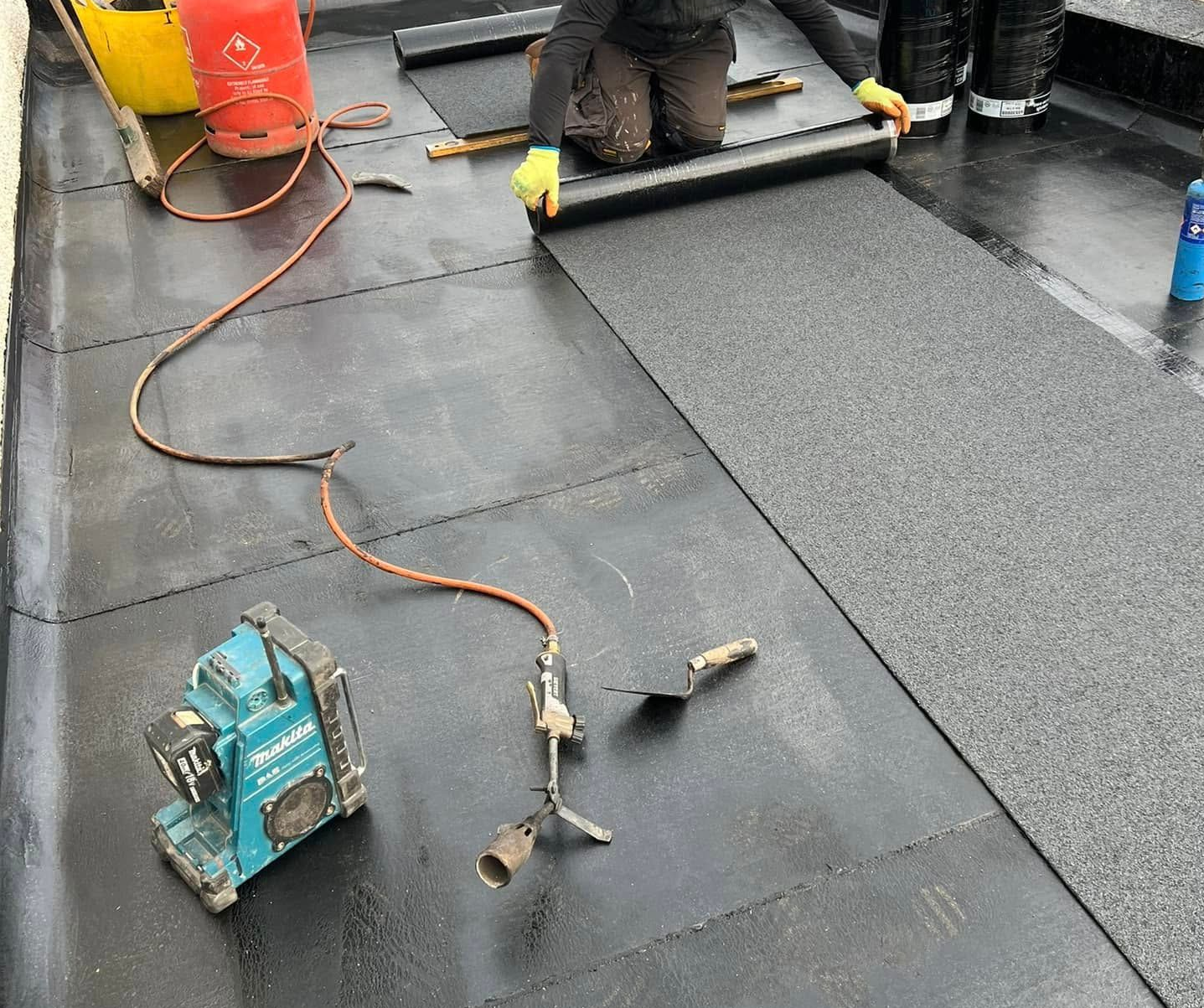
- Membrane installation or overhaul: Where needed, we lay or replace the Firestone EPDM RubberCover membrane first, with proper upstands and edge detailing, since this layer has to work before anything is built on top of it.
- Drainage, growing medium and planting: We install the drainage board, filter fleece, growing medium and planting for the chosen system, finishing edges and gravel margins so the roof drains correctly from day one.
- Handover and aftercare guidance: We walk you through basic seasonal checks — clearing outlets, an annual cut-back where relevant — and confirm your workmanship guarantee and any manufacturer warranty paperwork.
What Sedum, Wildflower and Intensive Roof Gardens Cost in Nottingham
Green roof pricing depends first on which system you choose. An extensive sedum system is the most affordable option for most Nottingham homes, because it uses a shallow growing medium and rarely needs structural reinforcement. Semi-intensive and wildflower roofs sit a step up, with a deeper substrate and more planting work involved. Intensive roof gardens cost more again, since they need a reinforced deck, a deeper soil profile, and a wider plant range.
Beyond the system itself, price is also shaped by roof size, whether the existing waterproof membrane needs replacing before the green roof goes down, how easy the roof is to access, and whether scaffolding is required. Every quote from Trust Roofing Services is written and itemised, with no hidden extras, but the only way to give an accurate figure is with our free drone roof survey, so we can see the deck, the membrane, and the access before pricing the job.
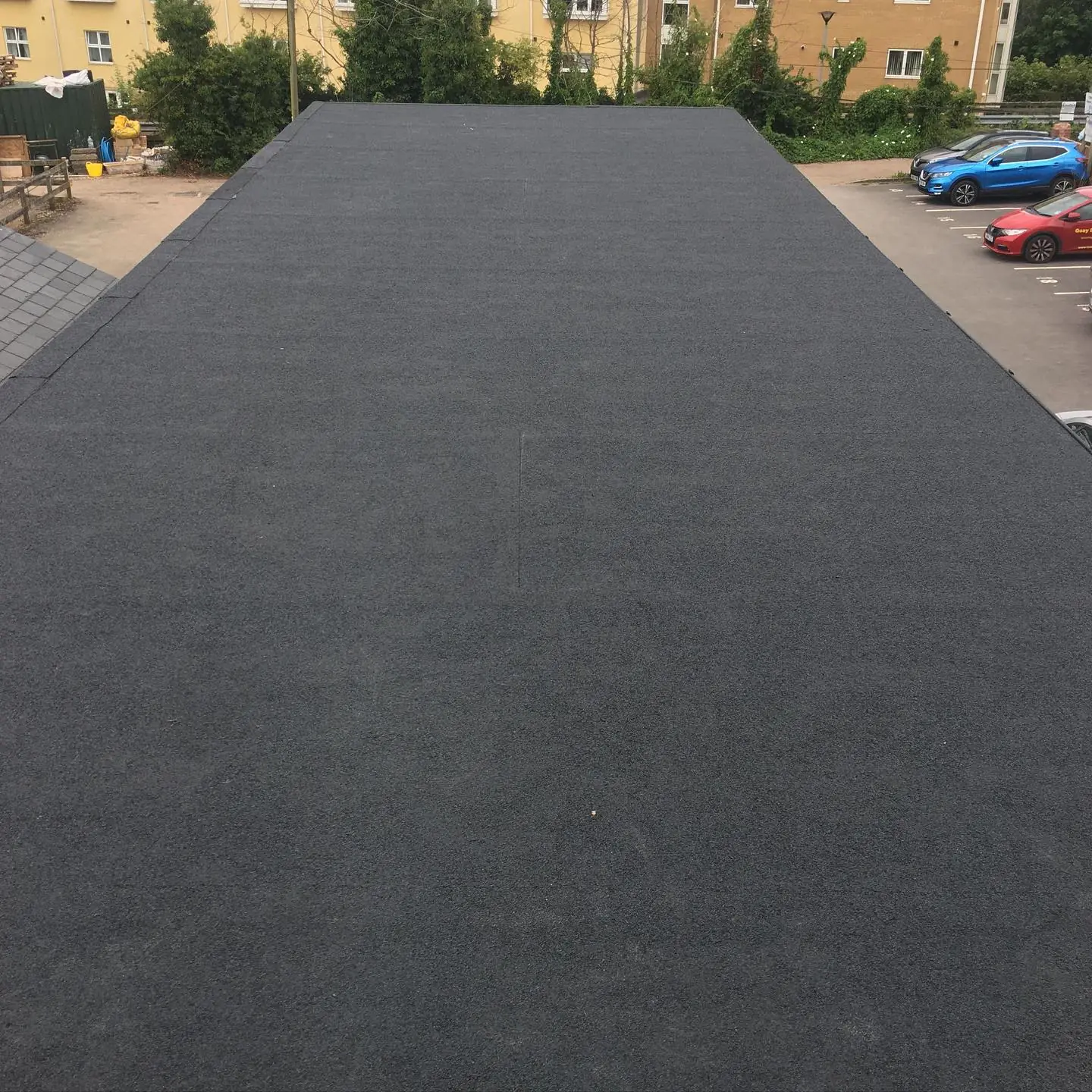
Extensive, Semi-Intensive, Intensive and Modular Green Roofs Compared
- Extensive (sedum): growing medium depth 80–150mm; maintenance needed is low — a weed check twice a year and drainage inspection; structural demand is usually none on a standard flat roof; best suited to extensions, garages and garden offices.
- Semi-intensive: growing medium is deeper than extensive, lighter than intensive; maintenance needed is medium — more varied planting to manage; structural demand may need a structural check first; best suited to homeowners wanting more plant variety without heavy upkeep.
- Intensive (roof garden): growing medium is a deep soil layer supporting shrubs and small trees; maintenance needed is high — regular gardening and care; structural demand is a reinforced deck, typically concrete; best suited to commercial buildings and larger residential projects.
- Modular tray: growing medium is pre-grown trays that click together; maintenance needed is low — trays lift individually for inspection; structural demand is usually none; best suited to garden offices and extensions wanting fast, tidy installation.
- Wildflower: growing medium is a similar depth to extensive/semi-intensive; maintenance needed is medium — one annual cut-back; structural demand is usually none; best suited to biodiversity-focused projects and Biodiversity Net Gain schemes.
The EPDM Membrane and Structural Checks Behind Every Green Roof We Build
A green roof lives or dies by the waterproof membrane underneath it, which is why our approved-installer status for the Firestone EPDM RubberCover system matters on this job specifically — it's the membrane most of our green roof installations are built on, chosen because a fully bonded, seam-free rubber layer under several centimetres of wet growing medium isn't somewhere you want a weak lap joint.

Because a living roof adds sustained weight and moisture rather than just shedding rain the way a normal flat roof does, we treat the drone survey as a structural check first and a waterproofing check second — looking at the joists and deck as much as the felt or EPDM already up there, so any reinforcement work gets flagged and priced before we commit to a system rather than discovered halfway through the job. We'll also tell you honestly when a lightweight modular tray system suits your roof better than a built-up sedum blanket, even if the built-up option would usually be the better job for us to sell, because the roof still has to be doing its job in ten years' time regardless of which one goes on today.
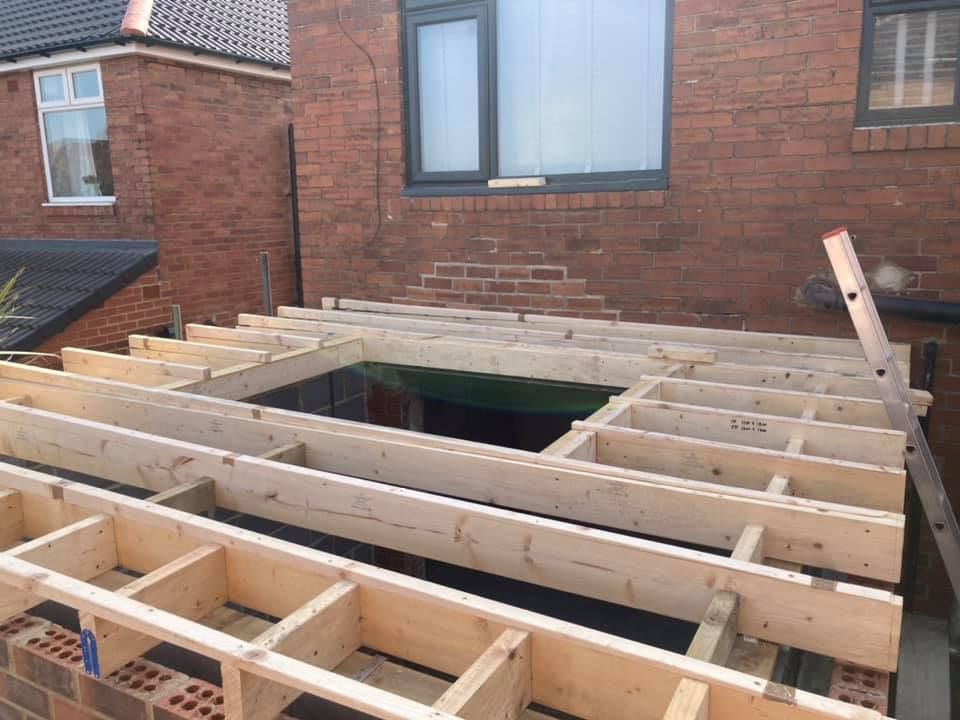
Green Roofs on Nottingham's Terraces, New Builds and Beyond
We work out of our operations base on Harrow Rd in Hucknall, which puts us close to the rear extensions and garden rooms that generate most of our green roof enquiries across Nottingham. Victorian and Edwardian terraces in areas like Sherwood, Carrington, Lenton and Beeston commonly have single-storey, flat-roofed additions at the back, and that shape of roof — low-pitched and easily reached from a garden — is exactly what a sedum or wildflower system is built for.
If your extension sits inside one of Nottingham's conservation areas, which take in parts of The Park Estate, the Lace Market, Lenton and Sneinton among others, a green roof can actually work in your favour with planning, since conservation officers often prefer a living roof over reflective felt or a run of rooflights where a neighbour looks down onto it — though the guidance differs street by street, so it's worth checking against your specific conservation area before the design is finalised rather than after. Beyond the city we cover Nottinghamshire towns including Mansfield, Newark, Worksop, Retford and Sutton-in-Ashfield, and take on jobs over the county line into Derbyshire, including Ilkeston, as part of our wider East Midlands coverage.
Frequently Asked Questions About Green Roof Installation in Nottingham
Can a green roof be added to my existing Nottingham house extension?
Yes — in most cases it can. Most flat-roofed extensions can take an extensive sedum system without structural work, as long as the deck and membrane are in good condition. We check both during our free survey.
Do I need planning permission for a green roof in Nottingham?
Usually not for a retrofit on an existing flat roof. You should check with Nottingham City Council if your property is in a conservation area such as the Lace Market or the Park Estate, or if it is a listed building.
What is the difference between an extensive and intensive green roof?
An extensive green roof has a shallow substrate — typically 80 to 150mm — and supports lightweight plants like sedum. It is low-maintenance and suits most homes. An intensive green roof has a deeper growing medium and supports a wider plant range including shrubs and perennials. It is heavier, costs more, and needs more upkeep.
What plants work best on a green roof in the Nottingham climate?
Sedum varieties are the most reliable across Nottinghamshire. They are drought-tolerant, frost-hardy, and very low-maintenance once established. Wildflower mixes also work well and support local pollinators, though they need an annual cut-back.
Will a green roof cause my roof to leak?
Not if installed correctly. A sound waterproof membrane and root barrier beneath the growing medium prevent moisture reaching the roof deck. This is why we always inspect or replace the membrane before installation begins.
Can I install a green roof myself, or do I need a professional roofer?
A small garden shed on an accessible low roof can sometimes be a DIY project. For anything larger, higher, or connected to your home, you need a qualified roofer for the structural check, membrane work, and safe installation at height.
How long does a green roof last?
A professionally installed extensive green roof can last 30 to 40 years or more. The vegetation layer protects the membrane from UV and weather damage, which significantly extends the life of the roof beneath it compared to an exposed flat roof.
Does a green roof help reduce my energy bills?
Yes. The growing medium and vegetation act as natural insulation, reducing heat loss in winter and keeping the building cooler in summer. This can lower your heating and cooling costs over time.
Does a green roof add value to my Nottingham property?
Green roofs improve the eco credentials of a property and are increasingly attractive to buyers. Improved insulation, a longer-lasting roof membrane, and sustainability credentials all contribute positively to property value over time.
What is a sedum roof?
A sedum roof is a type of extensive green roof planted with sedum — a hardy, drought-tolerant succulent. It is the most popular green roof choice for domestic properties in the UK. Sedum is lightweight, low-maintenance, frost-resistant, and produces seasonal flowers that attract bees and butterflies.
Can any flat roof take a green roof, or does it need to be strengthened first?
Most single-storey extensions and garages built in the last few decades can carry an extensive sedum or wildflower system without extra strengthening, since a saturated sedum build-up typically adds less weight per square metre than people expect. Older flat roofs, or anyone wanting a deeper intensive roof garden with shrubs, need a proper structural check first — that's exactly what our drone survey and follow-up assessment are for, so you know before you commit to a design.
How long does a green roof installation actually take?
A straightforward extensive system on a single-storey extension is often finished within a few days once the membrane is sound, including planting. If the existing membrane needs replacing first, or the system is a deeper intensive build with structural work, it can run to one to two weeks. We'll give you a realistic timeframe once the survey's done rather than a generic estimate.
Do I need planning permission for a green roof?
A green roof on a rear extension usually falls under permitted development in the same way the extension itself would, but that changes if your property is listed or sits inside a conservation area, where councils sometimes ask for more detail on appearance and materials. We'll flag it if your address looks like it needs checking, though the application itself is something you or your architect handles.
What's the difference between extensive and intensive green roofs?
Extensive systems use a shallow growing medium, usually sedum or wildflower planting, need very little maintenance and rarely need structural reinforcement — they're what most extensions and garages get. Intensive systems are proper roof gardens, with a much deeper soil profile that can support shrubs and even small trees, but they need a reinforced deck and regular gardening, so they're better suited to larger residential or commercial roofs.
Will a green roof leak more than a normal flat roof?
Not if the membrane underneath it is sound and correctly detailed — the growing medium and drainage layer sit above the waterproofing, so the roof still relies on that layer to keep water out. If anything, a well-installed green roof protects the membrane from UV and temperature swings, which is one reason it can outlast an exposed felt or EPDM roof left bare.
Can I have a green roof on an existing extension, or does it only work on new builds?
Both. Plenty of our green roof jobs are retrofits onto extensions that already have a flat felt or EPDM roof — we survey the existing membrane and deck, and either overlay a new EPDM membrane before building up the green roof or confirm the existing one is sound enough to work with.
What maintenance does a sedum roof actually need?
Very little — most homeowners check it twice a year, clear any leaves or debris from the drainage outlets, and pull any tree seedlings or weeds that have taken hold. Sedum is drought-tolerant once established, so there's no watering routine to keep up beyond a dry establishment period in the first year.
Do green roofs help with Biodiversity Net Gain requirements?
Wildflower and semi-intensive systems in particular are often used to meet Biodiversity Net Gain conditions on newer developments, since they support a wider range of pollinators than a standard sedum blanket. If BNG is part of your planning conditions, tell us before the survey so we can recommend a system that fits what's been asked for.
Ready to Find Out What Your Roof Can Carry?
The only way to know which green roof system suits your extension, garage or flat roof is to see the deck and structure underneath it, and that starts with a free drone survey that costs you nothing and commits you to nothing. Get in touch to book yours in before the installation calendar fills up for the next dry spell.
Call Trust Roofing Services today on 0115-647-3275 or use our contact form to request your free no-obligation survey. We cover Nottingham, Hucknall, Arnold, Beeston, West Bridgford, and all of Nottinghamshire. Let us show you what your roof could become.
📍 Harrow Rd, Hucknall, Nottingham NG15 6JD
📞 0115-647-3275
📞 Call Trust Roofing Services now on 0115-647-3275, or use our contact form to request your free no-obligation green roof survey.
Get in Touch
Trust Roofing Services — Hucknall
Harrow Rd, Hucknall, Nottingham NG15 6JD
📞 0115-647-3275
✉️ office@roofersnottinghamgrp.co.uk
🏠 Trust Roofing Services
Green Roof Installation Nottingham · Contact Us Now
- FREE Drone Survey
- Free Quote
- BBA-Approved Materials.
Contact Us. Let's talk about your Green Roof Installation in Nottingham.
Fill out the form, or call us to discuss your requirements
📞 0115-647-3275